
Boston: A Local’s Guide to the City
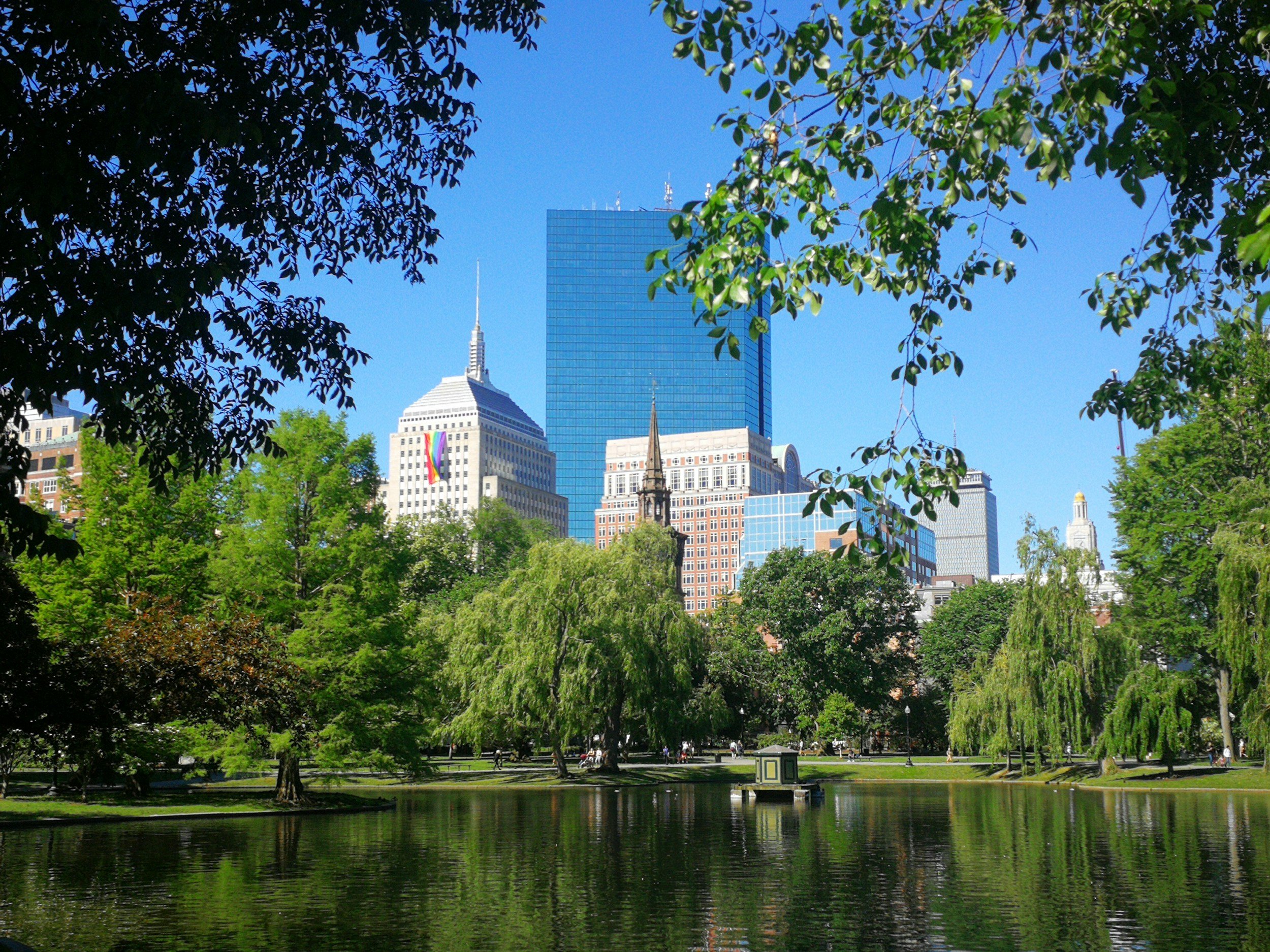
Boston is one of those cities where you can walk a few blocks and somehow travel a few hundred years.
You can start the morning walking past buildings that were here during the American Revolution, grab lunch at a public market, spend the afternoon with penguins at the aquarium, and end the night watching the Red Sox at Fenway Park.
And while Boston has plenty of the attractions you’ll find on every visitor’s list, some of the best parts of the city are the little things in between: walking the brick sidewalks of Beacon Hill, grabbing a cannoli in the North End, sitting by the harbor, or arguing about which North End bakery is actually the best.
As someone from Massachusetts, my biggest advice is this: don’t try to see all of Boston in one day. Boston looks small on a map and geographically, it is but there is a lot packed into it. Give yourself time to wander a little.
Here’s what I would put on your Boston list.
When to Visit Boston
There really isn’t one perfect time to visit Boston because every season feels completely different.
Spring: April through June can be beautiful. The flowers are blooming, baseball is back at Fenway, and temperatures are generally comfortable for walking. Just remember that New England spring weather has a mind of its own.
Summer: Boston comes alive in the summer. You can walk along the harbor, take a Duck Boat tour, catch a Red Sox game, and spend most of the day outside. July and August can be hot and humid, though.
Fall: If I had to choose, this might be my favorite. September and October bring cooler temperatures, fall foliage, football season, and some of the best walking weather of the year.
Winter: Boston at the holidays is beautiful, but January and February can be cold. Really cold. If you visit in winter, plan plenty of indoor stops and don't underestimate the wind.
Getting Around Boston
One of the best things about visiting Boston is that you really don't need a car. In fact, depending on where you're staying, a car can be more trouble than it's worth. Boston is an incredibly walkable city, and the MBTA or the "T," as everyone here calls it, can get you to most of the places you'll want to visit.
Comfortable shoes are a must. Boston's historic brick sidewalks and uneven streets are charming until you've been walking on them for eight hours.
For families traveling with someone with mobility or sensory needs, Boston does require a little extra planning. Boston is an old historical city and you feel that when you're getting around. Brick and uneven sidewalks, older buildings, stairs, narrow spaces, and aging transportation infrastructure are all part of the experience. While accessibility has improved significantly, not every MBTA station is equally easy to navigate. If mobility is a concern, check the accessibility of the specific stations and attractions you plan to use before heading out.
The T can also be loud. Trains screech, brakes squeal, announcements can be sudden, and stations can become crowded and noisy very quickly. For someone who is sensitive to loud noises, crowds, or unexpected sensory input, riding the T particularly during rush hour may be overwhelming.
That doesn't mean you have to avoid it completely. Headphones can help, and traveling outside of peak commuting hours can make for a very different experience. You may also want to try one shorter ride before relying on the T for an entire day. And sometimes the easiest choice is simply not taking it. If loud noises, crowds, mobility, or navigating busy stations are concerns for your family, Uber or Lyft may be worth the additional cost for some parts of your trip. You don't necessarily need to use rideshare everywhere—Boston is very walkable—but having it as an option can make the day much more manageable.
One of the biggest things I've learned about accessible travel is that the "best" transportation option isn't always the cheapest or the one everyone tells you that you should use. It's the one that works best for the person you're traveling with.
Walk the Freedom Trail
If it's your first trip to Boston, the Freedom Trail is one of the easiest ways to experience the city's history. The 2.5-mile trail connects 16 historic sites and winds through some of Boston's most interesting neighborhoods. You don't necessarily need to walk the entire thing. That's one of the nice things about it. Follow the red brick line for as long as your family is enjoying it, stop when something catches your attention, and make the day your own. You'll pass places connected to the American Revolution, historic churches, burial grounds, Paul Revere's house, and eventually the USS Constitution. And unlike a museum, you're experiencing the history while walking through the city where it actually happened.
Faneuil Hall & Quincy Market
Yes, it's touristy. You should still go.
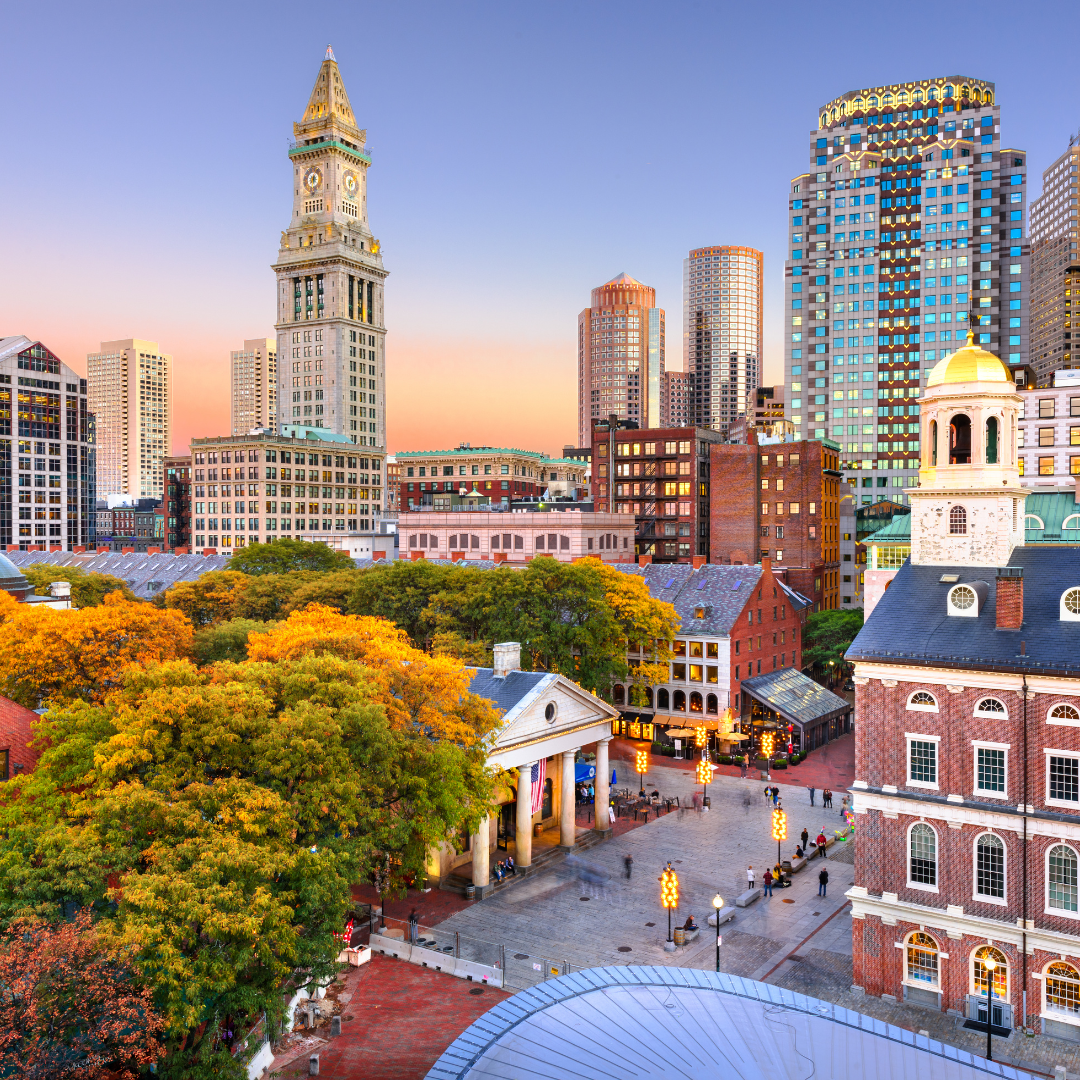
Faneuil Hall has been part of Boston since the 1700s and was once a gathering place where colonists met to debate some of the issues that eventually led to the American Revolution. Today, the larger Faneuil Hall Marketplace is one of the busiest visitor areas in the city, filled with shops, restaurants, food stands, historic buildings, and plenty of people. Right next door is Quincy Market, the long, historic market building that most people picture when they think of Faneuil Hall Marketplace. Walk inside and you'll find food vendors lining both sides of the building, with everything from New England classics like clam chowder and lobster rolls to pizza, sandwiches, sweets, and quick snacks. It's busy, crowded, a little chaotic and part of the experience.
But don't just stay inside.
One of my favorite parts of this area is what happens outside. The cobblestone walkways around the marketplace often turn into stages for street performers, and you can see some incredibly talented people here. Depending on the day, you might find musicians, dancers, magicians, acrobats, comedians, or performers pulling people from the crowd into their act. Stop for a few minutes and watch. Some of the best memories here happen when you weren't actually planning to see anything at all.
There are also plenty of stores to wander through, from souvenir shops where you can grab something Boston-themed to familiar national retailers.
My advice? Don't necessarily make Quincy Market your big Boston meal. There is simply too much good food elsewhere in the city. Instead, think of it as a place to wander, grab a snack, watch a street performer, browse a few shops, and take in the atmosphere. The location also makes it an easy addition to a day of sightseeing. From here, you can walk to the Boston waterfront, Boston Public Market, the North End, New England Aquarium, and several stops along the Freedom Trail.
Eat Your Way Through the North End
Boston's North End is our Little Italy, and this is one neighborhood where you should arrive hungry. There are Italian restaurants everywhere, from tiny neighborhood spots to restaurants that have become Boston institutions. You will have some of the best meals of your life here.
But let's talk about dessert.
You'll hear two names over and over again: Mike's Pastry and Modern Pastry. They are practically across the street from one another, and people around here tend to have opinions. Strong opinions. When you're from the Boston area, you generally choose a side. Mike's or Modern. It's an age-old rivalry that probably isn't ending anytime soon. My suggestion? Ignore all of us. Get something from both. Seriously. Grab a cannoli or another dessert from Mike's, walk across the street to Modern, grab another one, and have your own Boston pastry taste test. Then decide which side you're on. And if you're wandering around the North End late at night, there's one more place you should know about: Bova's Bakery. It's tucked around the corner and, even better, it's open 24 hours. If you suddenly decide that midnight is the appropriate time for a cannoli, Boston has you covered.
See Fenway Park
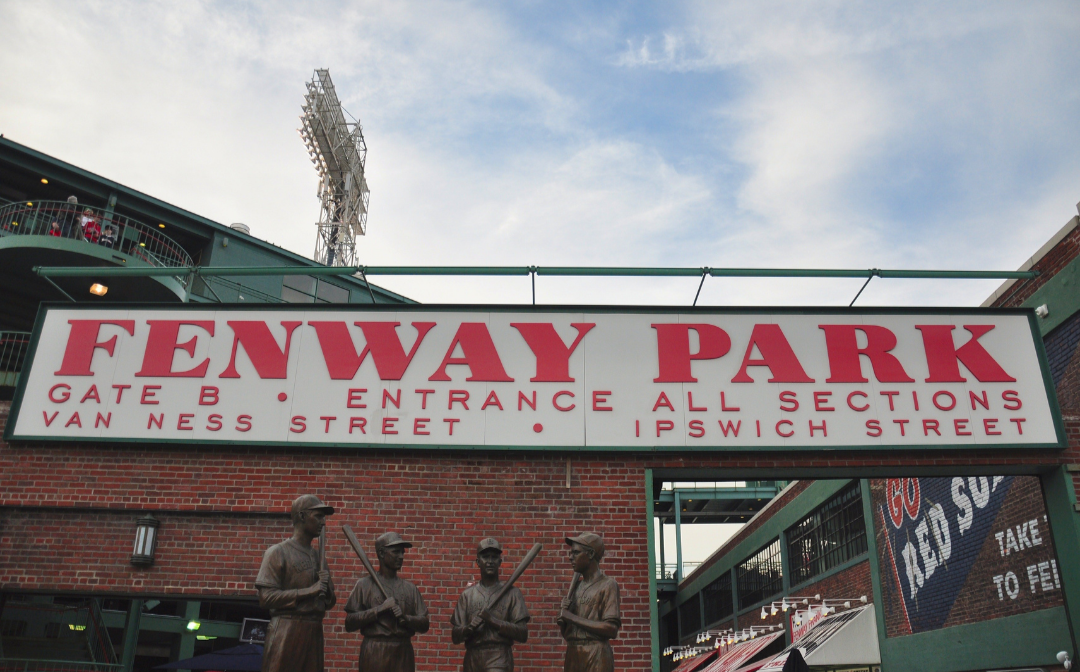
You don't have to be a baseball fan to appreciate Fenway. Opened in 1912, Fenway Park feels completely different from a modern stadium. It's tucked right into the surrounding neighborhood, the seats are close to the field, and then there's the Green Monster towering over left field. If the Red Sox are home, seeing a game is one of my favorite ways to experience Boston. If they're not playing or sitting through an entire baseball game isn't going to work for your family look into a Fenway Park tour instead.
For visitors with sensory needs, Fenway has made some important accessibility improvements. The park offers KultureCity sensory kits and headphones at Fan Information booths, a dedicated sensory room near Gate E, and access to a quieter room during games.
Take a Boston Duck Tour
Is riding around Boston in a giant amphibious vehicle while your driver narrates the city's history slightly ridiculous? Yes. Is it also something you should probably do at least once? Also yes. Boston Duck Tours take you through the city before the Duck splashes into the Charles River. It's a fun way to see a lot without walking all day, especially if you're visiting Boston for the first time. The tours are approximately 80 minutes and don't allow passengers to hop on and off along the route. Wheelchair-accessible Ducks are available, but Boston Duck Tours asks guests who need to remain in their wheelchair to contact them when booking so the vehicle can be properly configured.
Visit the Museum of Science
If you're visiting Boston with kids or you're the kind of adult who still wants to push every button in a science museum leave time for the Museum of Science. This isn't a museum where you're expected to quietly walk from display to display. There are hands-on exhibits, live demonstrations, a planetarium, and plenty to explore. t's also one of the Boston attractions I would specifically look at when traveling with someone with Autism or sensory differences. The Museum provides information specifically for visitors with Autism, developmental disabilities, neurological conditions and sensory differences. It has a Low Sensory Map identifying quieter spaces and sensory considerations throughout the building. The Museum also identifies generally quieter visiting periods and offers select "Soft Light, Soft Sound" programming. One thing I particularly appreciate is that the Museum doesn't pretend every exhibit is sensory friendly. Its accessibility information identifies higher-stimulation experiences including the 4-D Theater, Planetarium, Omni Theater and Theater of Electricity, so families can make informed decisions before walking into them.
Spend a Few Hours at the New England Aquarium
The New England Aquarium is right on Boston Harbor, making it easy to combine with the waterfront, Faneuil Hall or a walk toward the North End. The Giant Ocean Tank is the centerpiece, but don't rush past the penguins, seals and other exhibits along the way.
For families with sensory needs, the Aquarium is a KultureCity-certified Sensory Inclusive venue. Sensory kits are available at the Information Desk and include noise-canceling headphones, fidget tools and picture communication cards. Weighted lap pads are also available, and the Aquarium has designated areas where guests can take a sensory break.
Local Tip: You don't actually have to go inside the New England Aquarium to see the seals! The harbor seals can be seen from the outdoor exhibit along the front of the Aquarium, and you can stop and watch them swim and play without buying a ticket.
It's perfect for a busy sightseeing day when you don't have a few hours for the full Aquarium—or when you happen to be walking between the waterfront, Faneuil Hall, and the North End. Take a few minutes, say hello to the seals, and keep exploring Boston.
Walk Through Boston Common & the Public Garden
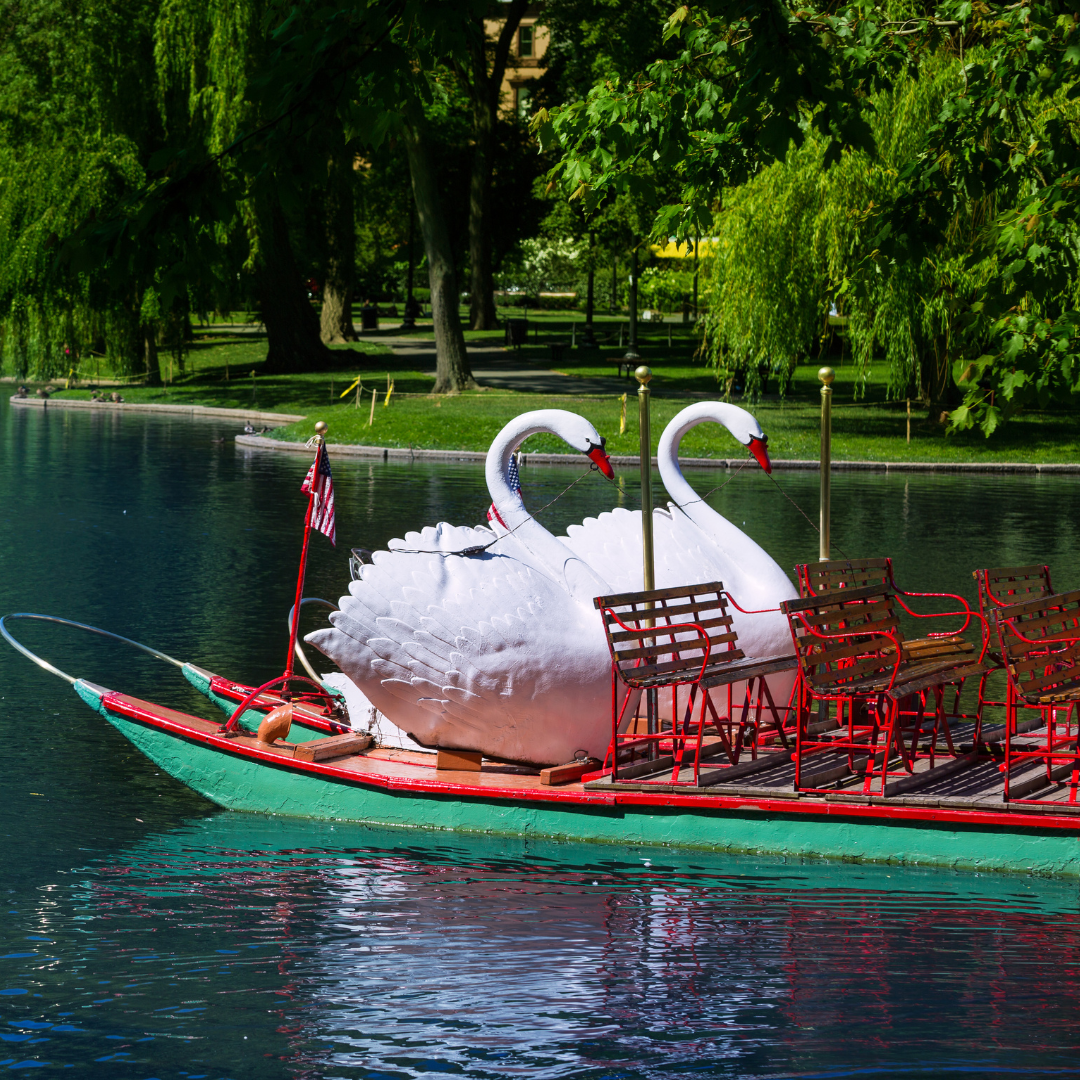
When you need a break from museums and attractions, head toward Boston Common and the Public Garden. The Boston Common dates back to 1634, while the neighboring Public Garden gives you one of the prettiest walks in the city. If you're visiting when they're operating, take a ride on the Swan Boats. They're simple, old-fashioned, and very Boston. Families with younger kids should also look for the Make Way for Ducklings statues. If you've read the classic children's book before your trip, finding Mrs. Mallard and her ducklings in the Public Garden makes for a fun little Boston moment.
Walk Beacon Hill
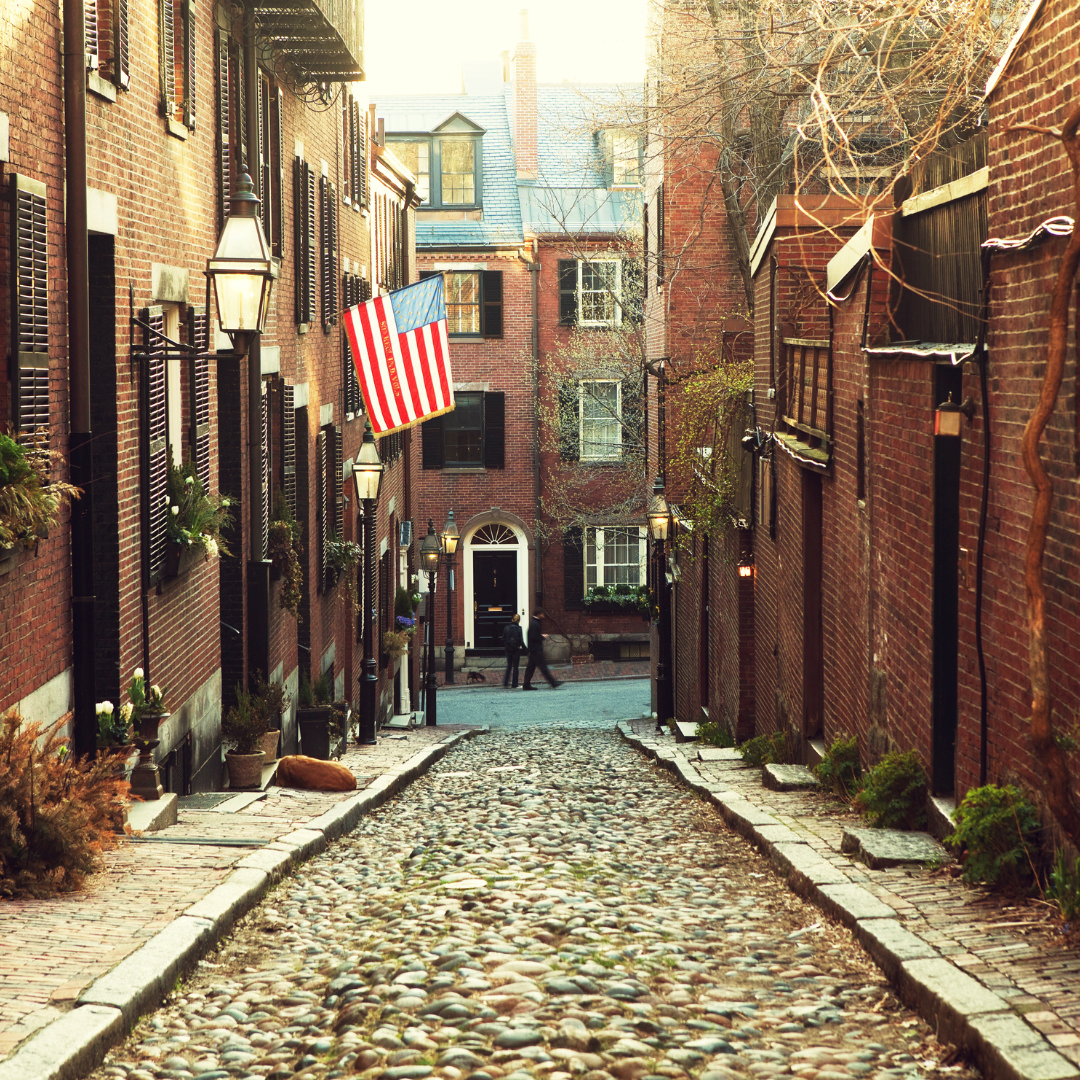
Beacon Hill is Boston postcard territory. Brick sidewalks. Federal-style row houses. Gas lamps. Tiny streets. Walk along Charles Street and then wander some of the side streets. Acorn Street gets most of the attention and plenty of Instagram photos but don't make that your only stop. This is a neighborhood where wandering without much of an agenda is part of the experience. Just remember that those picturesque brick sidewalks aren't always the easiest for strollers, wheelchairs or anyone with mobility challenges.
Explore the Boston Waterfront
Leave yourself some unplanned time around the harbor. You can walk portions of the Harborwalk, watch the boats, grab something to eat, and get some of the best views of the city. This can also be a nice change of pace after spending several hours inside an attraction. Boston is a city, so you're never going to completely escape the noise, but finding a bench by the water for twenty minutes can make a huge difference when everyone needs a break.
Visiting Boston With Food Allergies

Traveling with food allergies changes how you experience a city. You can't always walk into the closest restaurant when everyone gets hungry, so knowing a few options ahead of time makes the trip much easier. One Boston stop worth knowing about is Jennifer Lee's Bakery inside Boston Public Market at 100 Hanover Street. The bakery specializes in vegan baked goods made without several major allergens. Independent listings describe its baked goods as free from nine common allergens, including gluten and peanuts. Boston Public Market's location also works really well for sightseeing because it's close to Faneuil Hall, the Freedom Trail and the North End.
Here are a few other places to look into when dining with food allergies in Boston: Legal Sea Foods has multiple locations throughout the city and is well known for accommodating allergies; Burtons Grill & Bar is another popular choice for special diets; The Smoke Shop BBQ, including its Seaport location, offers options for guests with dietary restrictions; and 110 Grill is a favorite among many food-allergy families for its extensive allergy-friendly menu. As you all know, always check directly with the restaurant before visiting to make sure they can safely accommodate your specific allergies, as menus, ingredients, and kitchen procedures can change.
If you're flying home through Logan Airport, save room for one last meal. Not Your Average Joe's is a great option for travelers with food allergies and can make airport dining which is often one of the trickier parts of traveling with allergies, a lot less stressful.
Visiting Boston With Autism or Sensory Needs
One reason Boston deserves a place on an inclusive travel list is the number of organizations and attractions throughout Massachusetts that have put real thought into accessibility for people with Autism and developmental disabilities. That doesn't mean every attraction or every moment in a busy city is going to be sensory friendly. Boston can be loud. Sirens, crowds, street performers, trains, sporting events and busy sidewalks can create a lot of sensory input, especially during weekends, school vacations and major events. Planning ahead can make a big difference.
A few things I would consider:
Check sensory and accessibility information for each attraction before your visit.
Bring headphones or other familiar sensory tools even when an attraction provides them.
Build breaks into the day instead of waiting until someone needs one.
Don't schedule every hour.
Consider quieter morning visits to popular attractions.
Know where your family can step away from crowds.
Prepare for the sounds and movement of the MBTA before using it.
Remember that leaving early isn't a failed outing. Sometimes two great hours are better than pushing through five.
The Museum of Science and New England Aquarium are particularly good attractions to research ahead of your visit because both provide detailed sensory accessibility information. Fenway Park also provides sensory resources for guests attending games and events.
If You Only Have One Day in Boston
If this is your first visit and you only have one day, don't spend it racing from one end of Boston to the other. I'd keep things concentrated. Start around Boston Common and the Public Garden, walk part of the Freedom Trail, continue toward Faneuil Hall, and then head into the North End. Have lunch, explore the neighborhood, visit Paul Revere's house if that interests you, and absolutely conduct the Mike's-versus-Modern taste test. If everyone still has energy, finish your day along the waterfront. That's a full Boston day without spending half of it getting from attraction to attraction.
If You Have Two or Three Days
With a little more time, Boston becomes much easier.
Day One: Boston Common → Public Garden → Beacon Hill → Freedom Trail → Faneuil Hall → North End
Day Two: Museum of Science → Duck Boat Tour → explore Back Bay or the Charles River area
Day Three: New England Aquarium → Boston Harbor → Fenway Park and a Red Sox game or Fenway tour
And don't worry if you don't get to everything. Boston isn't a checklist city. Some of my favorite Boston days have involved doing one or two things we planned and then spending the rest of the day walking, eating and seeing where we ended up.
A Few Boston Tips From a Local
Wear comfortable shoes. You will walk more than you think.
Don't rent a car just to explore downtown Boston. Parking is expensive and driving here is not for the faint of heart.
Learn how to use the T before your first ride. It isn't perfect, but it can make getting around much easier.
Check the Red Sox schedule. Even if you're not attending a game, home games can mean much larger crowds around Fenway.
Don't spend the entire trip rushing between attractions. Walk through the neighborhoods. Sit by the harbor. Have the cannoli.
And if you do the North End taste test? You'll eventually have to pick a side.
Welcome to Boston.