Hotel Room or Vacation Rental Safety & Autism
A hotel room or vacation rental becomes your home base when you travel. For a person with Autism, however, it is also a completely new environment—with unfamiliar doors, windows, hallways, balconies, pools, stairs, and exits.
Taking time to think about safety before you book and again when you arrive can make a significant difference. The goal isn't to eliminate every possible risk. It is to identify the risks that matter for your loved one and make practical changes so everyone can enjoy the trip.
Start With the Right Accommodation
Safety begins before you arrive.
When comparing hotels and vacation rentals, think beyond price, number of beds, and amenities. Consider how the physical environment will work for your loved one.
There isn't one type of accommodation that is automatically safer or better for a person with Autism. A hotel may offer the convenience of staff on-site, fewer exterior doors, and a more contained space. A vacation rental may provide more room, privacy, a kitchen, separate sleeping spaces, and greater control over the environment.
The right choice depends on your family's needs.
We cover the broader differences in our Comparing Hotels vs. Vacation Rentals article. When looking specifically at safety, pay close attention to the layout of the property, where the room is located, how easily someone can exit, and what potential hazards surround the property.
Think About Where the Door Leads
One detail that can easily be overlooked is what is immediately outside your door. There can be a significant difference between opening a hotel-room door into an interior hallway and opening it directly into a parking lot, sidewalk, courtyard, or outdoor walkway.
For a person who may leave unexpectedly, an interior hallway can provide another layer between the room and hazards such as moving vehicles, streets, parking lots, or nearby water. When choosing a hotel, look at the property layout before booking. Photos and online maps can sometimes help, but you can also call the hotel and ask.
You might specifically request:
A room that opens into an interior hallway rather than directly outdoors.
A room away from exterior exits and stairwells.
A room away from the pool or other water features.
A quieter area away from elevators, ice machines, and busy common areas if those environments could contribute to sensory overload or attempts to leave.
A room location that allows your family to comfortably supervise the entrance.
Requests aren't always guaranteed, but making them in advance gives the hotel an opportunity to help.
Balcony or No Balcony?
A beautiful balcony may be a selling point for many travelers. For some families traveling with a person with Autism, it may be an unnecessary safety concern. Think about your loved one's individual behavior before choosing a balcony room. If climbing, wandering, impulsivity, or difficulty recognizing danger is a concern, you may decide that a room without a balcony is the better option.
If you do book a balcony room, don't assume that the existing lock will meet your family's needs. Check the balcony door as soon as you arrive. Look at how it locks, whether your loved one can operate the lock, and whether furniture or other objects could be moved near the railing. This is also something worth considering with vacation rentals. Decks, patios, rooftop spaces, and balconies may not be as obvious in a listing's description as they are once you arrive.
Look at Water Before You Book
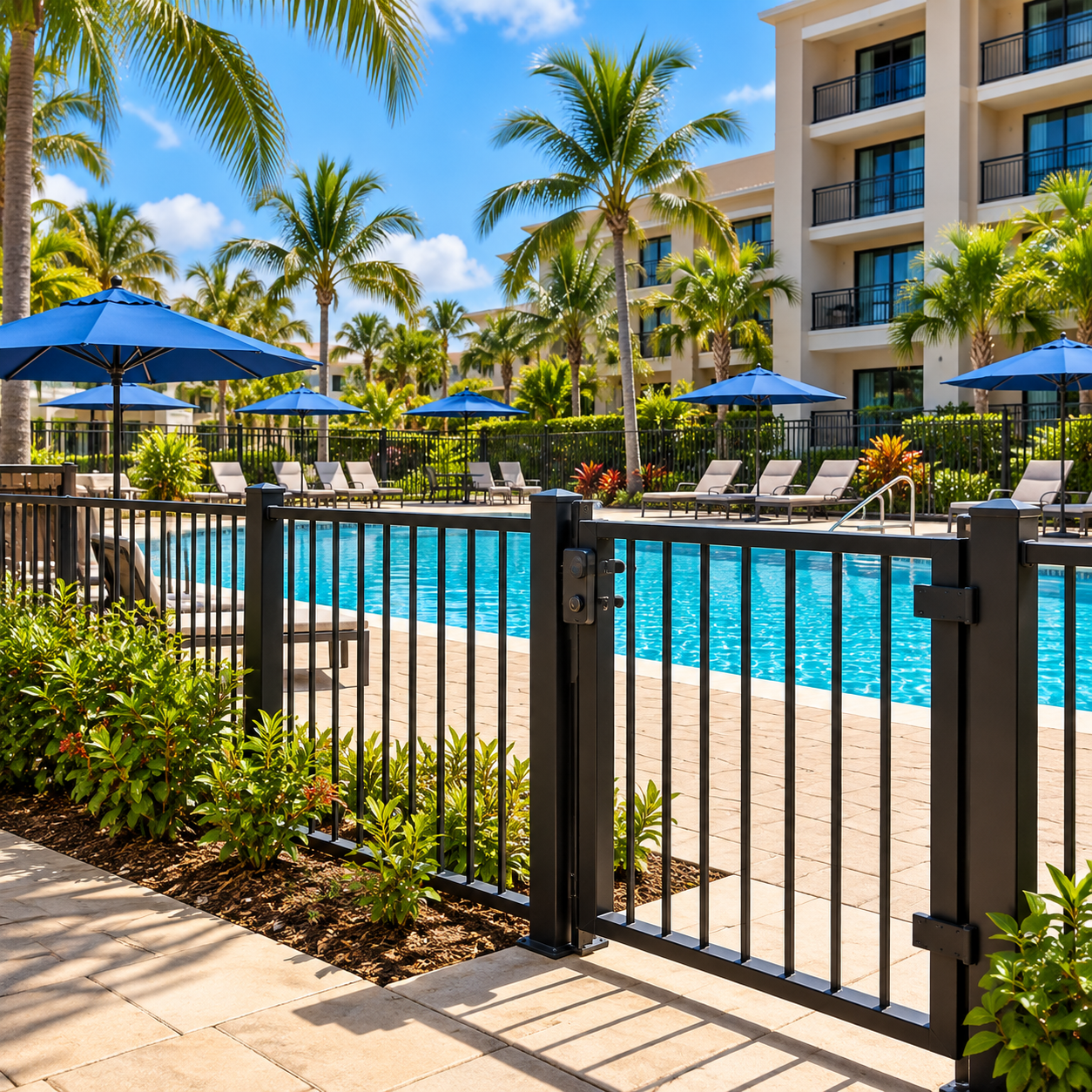
A swimming pool might be listed as an amenity, but water should also be considered from a safety perspective. Look beyond whether the hotel or rental has a pool. Consider where the water is in relation to where you will be staying. A ground-floor hotel room that opens directly toward a pool is very different from a room several floors away with an interior hallway. Likewise, a vacation rental with an unfenced backyard pool presents a different situation than one where the pool is separated from the house by a secure barrier.
Also look beyond pools. Depending on the destination, there may be:
Hot tubs
Lakes or ponds
Beaches or ocean access
Canals
Fountains
Streams
Docks
Retention ponds and drains
Other nearby water features
For a person who is particularly drawn to water or does not recognize water-related danger, proximity to water may be an important factor when selecting your accommodations. We cover this topic in much more detail in our Water Safety While Traveling article.
Vacation Rentals Require a Different Safety Check
One advantage of a vacation rental is that it can feel more like home. But a larger space can also mean more areas to evaluate. A rental home may have a front door, back door, sliding doors, garage access, multiple windows, stairs, balconies, a yard, a pool, and several floors. Before booking, study the listing photos carefully. Don't just look at the bedrooms and kitchen. Look for doors, stairs, balconies, decks, pools and the surrounding property. Reviews and guest photos can be especially helpful. Listing photographs are designed to showcase the property; guest photographs may give you a more realistic idea of the layout and surrounding environment. If you can't determine something important from the listing, ask the host before booking.
Do a Safety Walk-Through When You Arrive
Before everyone gets settled, have one adult do a quick walk-through of the space. This doesn't need to take long. You are simply looking at the environment through the lens of your loved one's specific safety needs. Check exterior doors and how they lock. Open and close windows. Check balcony and sliding-door locks. Identify stairs and exits. Locate pools and other nearby water. Look for medications, cleaning products, knives, breakable objects, or other items that may need to be moved.
In a vacation rental, pay particular attention to doors that may not immediately look like exits, such as a door leading from the house into a garage. Then make the changes you need before the room becomes busy with unpacking, meals, and settling in.
Bring Portable Door Alarms
A small portable door alarm can be one of the easiest safety tools to bring when traveling. Battery-operated door alarms or chimes can alert you when a hotel or rental door is opened. They're small, relatively inexpensive, and easy to pack. Think about where you need them once you arrive. The main entrance may be the obvious choice, but a vacation rental may have several potential exits. Door alarms should be viewed as an additional layer of protection, not a substitute for supervision. If you use battery-operated alarms, remember to manage them appropriately while traveling and when housekeeping or other authorized people need to enter the room.
Consider Portable Door-Security Devices Carefully
Some families also travel with portable door locks, door wedges, or door-stop alarms. These can be useful in certain situations, but you need to consider emergency egress. Never create a setup that could prevent people from quickly leaving the room during a fire or other emergency. Hotel policies and door designs also vary, so a device that works at one property may not work at another. The goal is an added layer of awareness or security not creating a barrier that introduces a different safety risk.
Secure Medications and Other Items
Travel changes routines, and items that are normally secured at home may suddenly be sitting in a suitcase or on a hotel counter. Decide where medications will be stored as soon as you arrive.
In a vacation rental, also look at:
Cleaning supplies under sinks
Knives and other kitchen utensils
Alcohol
Laundry products
Matches or lighters
Pool chemicals
Accessible appliances
You don't need to childproof an entire rental property. Focus on the risks that are relevant to your loved one.
Don't Forget Windows and Connecting Doors
Windows deserve the same attention as exterior doors, particularly on upper floors. Check whether windows open, how far they open, and whether the lock is accessible to your loved one. If your hotel room has a connecting door to another room, make sure it is locked from your side if you aren't using it. These checks take seconds but are easy to overlook when everyone is excited to start the vacation.
Make the Space Familiar
Safety isn't only about locks and alarms. An unfamiliar environment can be difficult for some people with Autism. Helping your loved one understand the new space may make the transition easier. Once you've completed your safety check, explore the room together. Show them where they will sleep, where the bathroom is, where their belongings will go, and which door you will use to leave the room. If you use a visual schedule or social story, include the hotel or vacation rental as part of the travel plan. You can often use photographs from the property's website before the trip so the environment isn't completely unfamiliar when you arrive. Familiar comfort items, routines, foods, and bedtime items can also help make an unfamiliar room feel more predictable.
Have a Plan in Case Someone Leaves the Room
Even with preparation, families should know what they will do if their loved one leaves unexpectedly. Know the address of your accommodations. Keep a current photograph available on your phone. Make sure important identification and emergency information are easily accessible. If you're traveling with other adults, decide who would search and who would remain at the room or last-known location. At a hotel or resort, identify where the front desk or security office is located and how to contact them. We go further into these steps in Creating a Travel Safety Plan Before You Leave Home and Preventing Separation in Crowded Places.
Your Safety Setup Should Be Individualized
You don't need every safety product or every precaution on every trip. A teenager who understands danger and independently navigates unfamiliar environments will have very different needs from a young child who wanders or an adult who is strongly drawn to water.
Before each trip, ask yourself:
What are the actual risks for my loved one in this particular environment?
Then focus your preparation there.
A five-minute room check, a carefully selected room location, a portable door alarm, or choosing a property without direct pool access may be small decisions—but they can make the accommodations work much better for your family.
The goal isn't to make travel feel restrictive. It's to anticipate the things you can, put reasonable safeguards in place, and then get on with enjoying the trip.