Choosing the Right Cruise Cabin for a Traveler With Autism
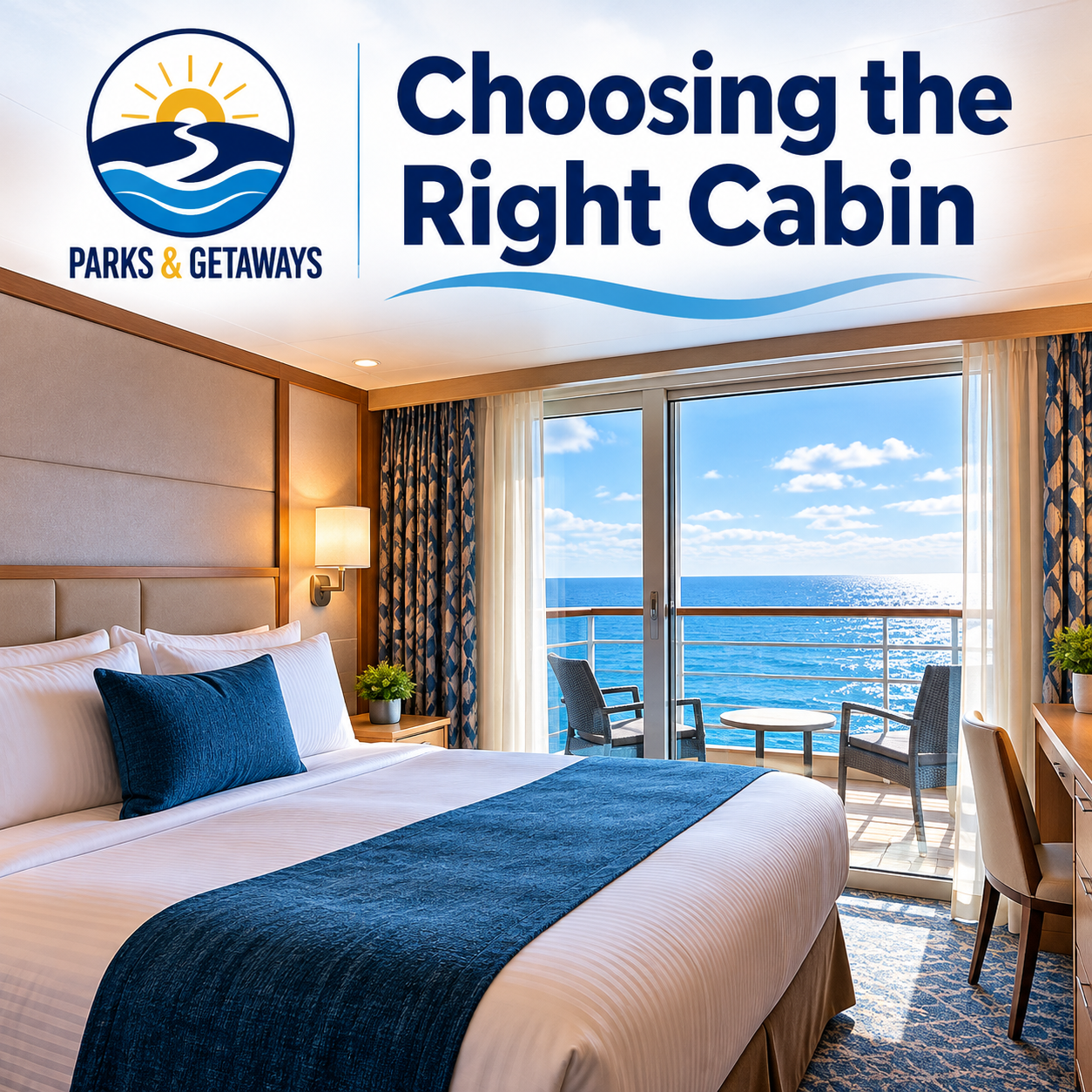
Your cruise cabin is more than a place to sleep. For a traveler with Autism, it can become an important home base throughout the vacation, a familiar, predictable space to return to when the rest of the ship feels busy or overwhelming. That makes choosing a cabin an important part of planning your cruise. Location, noise, lighting, balcony access, space, and proximity to busy areas can all affect the experience. The cabin with the best view or the most space isn't necessarily the cabin that will work best for your family. Before booking, think about how your loved one responds to noise, unfamiliar environments, crowds, sleep changes, and safety concerns.
Cabin is Home Base
One of the advantages of cruising is that you unpack once and return to the same room every night, even as you travel to different destinations. Your cabin can quickly become one of the most familiar places on the ship. This can be especially valuable if your loved one needs breaks during the day. You don't have to remain at the pool, restaurant, activity, or show when things become overwhelming. You can return to the cabin, regulate, rest, and decide what comes next.
Because your cabin may play such an important role, don't choose it based only on price or view. Think about how your family will actually use the space.
Interior, Oceanview, or Balcony?
Cruise ships generally offer several cabin categories, and each has advantages and considerations for travelers with Autism.
Interior Cabins
Interior cabins do not have exterior windows. They are typically darker and can feel quieter and more removed from activity outside the ship. For someone who is sensitive to light or who sleeps better in a very dark room, this can be an advantage. Interior cabins can also remove the distraction of watching the ocean or activity outside the ship. However, an interior cabin may feel too enclosed for someone who prefers being able to see outside or benefits from natural light. There is also less visual information about whether it is morning or evening, which could affect someone who relies on environmental cues as part of their routine.
Oceanview Cabins
Oceanview cabins provide a window or porthole without direct outdoor access. For some families, this can be a good middle ground. Your loved one can see the ocean and receive natural light without having access to a balcony. If wandering or safety is a concern, an oceanview cabin may also provide additional peace of mind while still giving the room a more open feeling. These cabins tend to be the best of both worlds. You get some natural light, see the views while not having the safety concerns of balcony cabins.
Balcony Cabins
Balcony cabins provide private outdoor space and can be appealing for families who want somewhere quieter to sit away from the ship's public areas. A balcony may provide a relaxing place to watch the ocean, take a break, or enjoy some outdoor time without navigating a crowded pool deck.
However, safety needs to come before the view. If your loved one has a history of wandering, climbing, impulsive behavior, or limited awareness of danger, carefully consider whether a balcony cabin is appropriate for your family. Review the balcony door, locking mechanism, railing, furniture, and overall setup before deciding. Don't assume that because a balcony is designed with passenger safety in mind, it automatically meets the individual safety needs of your loved one.
Cabin Location Matters
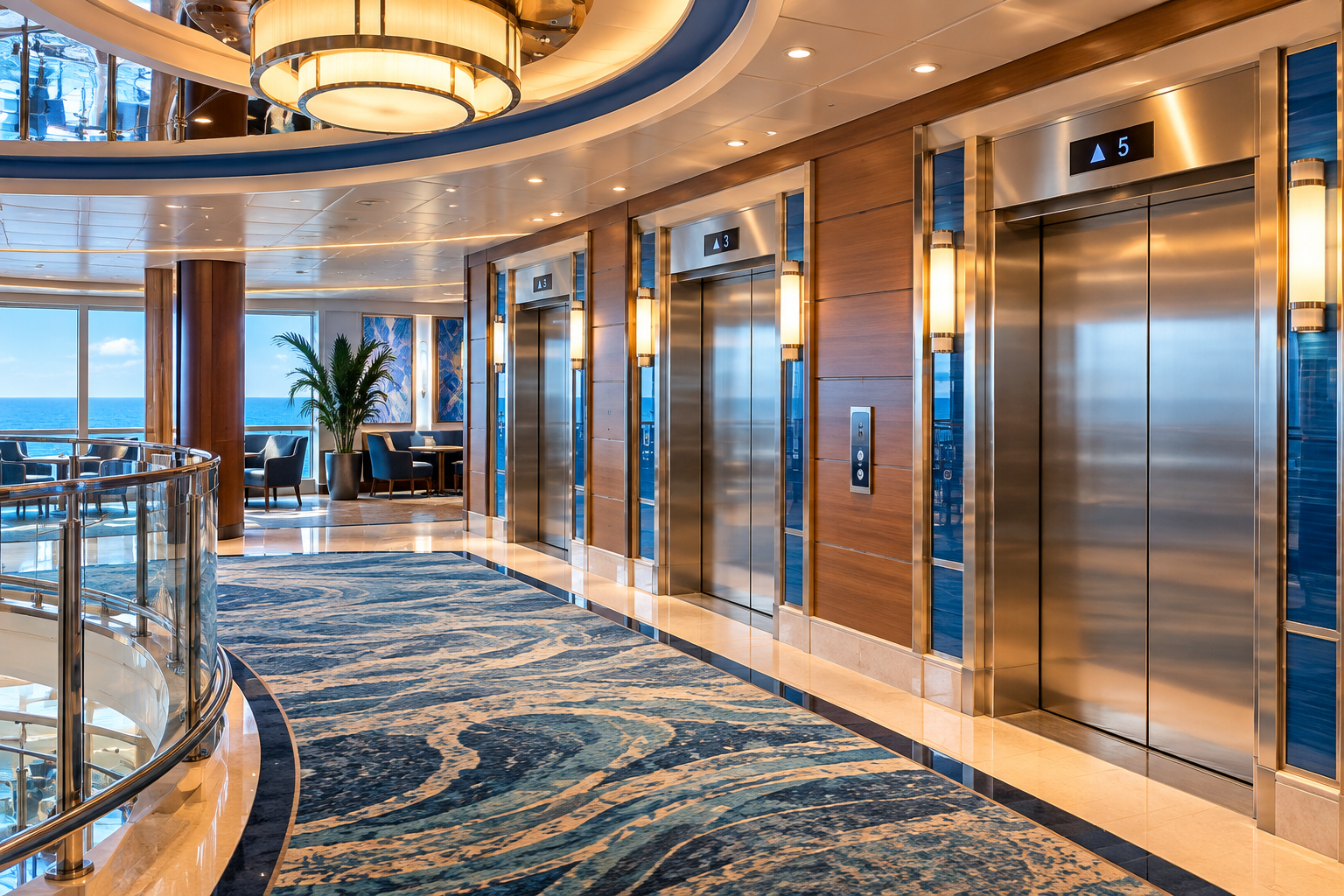
Where your cabin is located can be just as important as the type of cabin you choose. Look at the ship's deck plans before booking. Don't simply select a cabin because it is labeled as being in a convenient location. Pay attention to what is above, below, and next to the cabin.
A room underneath a pool deck, fitness center, restaurant, theater, nightclub, or other active area may be loud. Cabins near elevators and stairways can be convenient, but they may also have more people walking past the door and more hallway noise. For someone who is sensitive to sound or has difficulty sleeping, a quieter location may be worth the additional research. Look for cabins surrounded by other cabins whenever possible. This doesn't guarantee silence, but it may reduce some of the predictable noise associated with public spaces.
Consider How Much Walking Works for Your Family
There is another side to cabin location: convenience. Cruise ships can be enormous. A cabin in a quieter part of the ship may also mean a longer walk to dining, pools, activities, elevators, or other places your family uses frequently. Think about your loved one's mobility, tolerance for walking, and ability to navigate busy hallways. If returning to the cabin for breaks will be an important part of your plan, choosing a cabin relatively close to the areas you expect to use most can make those breaks easier.
There isn't one perfect location. You're balancing noise, convenience, crowds, and your family's individual needs.
Think About Sensory Needs
Walk through the cabin experience from your loved one's perspective. Consider lighting, temperature, sounds, bedding, the bathroom, the movement of the ship, and how much personal space is available. If your loved one uses sensory supports at home, bring the portable items that can help make the cabin feel more familiar. That might include a favorite blanket, pillowcase, noise-reducing headphones, sleep mask, familiar pajamas, comfort item, or other sensory tools. You don't need to recreate home. A few familiar items can help distinguish the cabin as a predictable place to rest and regroup.
Consider Sleeping Arrangements Before Booking
Don't assume that the room configuration will work simply because the cruise line says the cabin sleeps the number of people in your party. Look at the actual layout. Depending on the cabin, additional sleeping spaces might include a sofa bed, Pullman bed that comes down from the wall or ceiling, bunk-style arrangement, or another configuration.
Think about whether your loved one will be comfortable with that setup. Someone who has never slept in an elevated bed, for example, may not be comfortable suddenly doing so on vacation. Photos, videos, and virtual tours of the specific cabin category can be extremely helpful.
If possible, show your loved one what the room will look like before the trip so the sleeping arrangement isn't a surprise when you arrive.
Wandering and Elopement Considerations
If wandering or elopement is a concern, include the cabin in your overall cruise safety plan. When you first enter the room, look at the door and locking system. Determine how easily your loved one could open the cabin door independently. Pay particular attention to this at night or during times when family members may be sleeping or distracted. The same applies to balcony doors if you have selected a balcony cabin.Families should also have a plan for supervision and identification throughout the ship rather than relying on the cabin itself to prevent wandering.
For more detailed planning, see Cruise Safety & Autism.
Accessible Cabins
If your loved one has mobility or other accessibility needs, ask the cruise line about accessible staterooms before booking. Accessible cabins may offer features such as additional floor space, wider doorways, modified bathrooms, or other accommodations. The specific features vary by cruise line and ship, so don't rely solely on the word "accessible." Ask exactly what the room includes and compare those features with the individual's needs. Accessible cabins are limited, so this is something to research early rather than waiting until just before your cruise.
Research Your Actual Ship and Cabin
One of the best things about planning a cruise today is the amount of information available before you ever step onboard. Search for the specific ship, cabin category, and when possible the actual cabin number.
Look for:
Cruise-line photos and floor plans
Ship deck plans
Cabin tours and walkthrough videos
Photos from previous passengers
Information about what is above and below the room
The distance to elevators and stairs
Balcony configuration and safety features, if applicable
A generic photo of a balcony cabin may not show the exact layout you will have. Once you've booked, consider showing your loved one photos or videos of the room. This can become part of your social story or other preparation for the cruise.
The Best Cabin Is the One That Works for Your Family
There isn't one cabin type that is best for every traveler with Autism. One person may sleep best in a dark interior cabin. Another may feel more comfortable being able to see outside. One family may value a balcony as a quiet retreat, while another may decide that a balcony presents an unnecessary safety concern. A cabin near the elevators may make transitions much easier for one traveler and create too much hallway noise for another.
Think about sensory needs, sleep, safety, wandering, space, location, and how often you expect to use the cabin for breaks.Your stateroom will be the one place on the ship that belongs to your family for the entire cruise. Choosing it intentionally can give your loved one something particularly valuable while traveling: a familiar place to return to when they need it.