
Blog Articles
Whether you're planning your first big adventure or your fiftieth family getaway, this is the place to find all the tools you need for a smooth, memorable trip. From expert planning tips and packing guides to destination deep-dives and insider advice, we're here to help make travel easier, more inclusive, and way more fun.
Explore helpful articles filled with tips and strategies —and use the search bar to find your favorite destinations or topics, like Walt Disney World, cruises, or Autism travel tips.
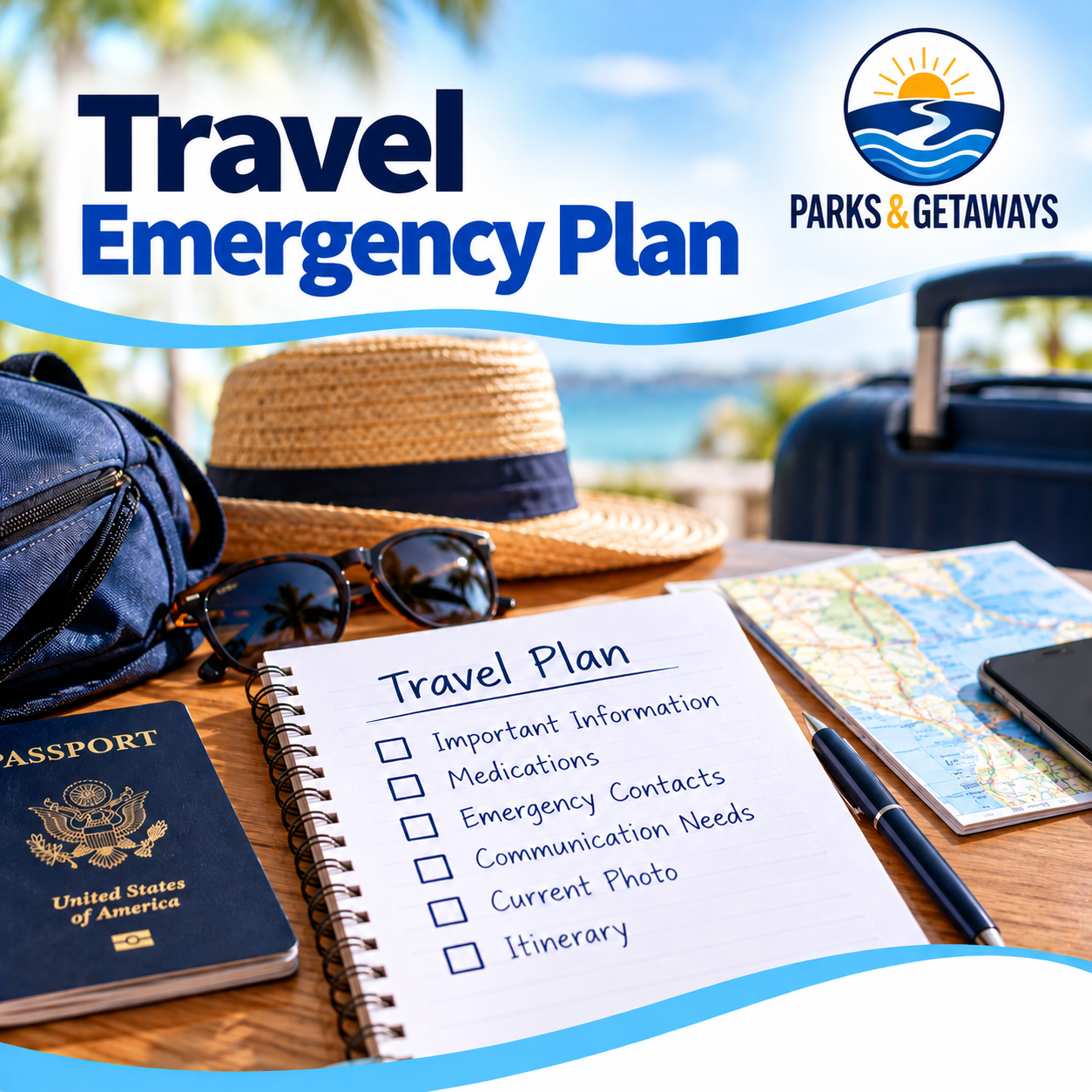
Emergencies can happen anywhere, but being away from home can make responding more complicated. You may be in an unfamiliar city, staying in a hotel or vacation rental, visiting a crowded attraction, traveling through an airport, or spending time somewhere you do not know the closest hospital, police department, or other emergency resources. For a person with Autism, an emergency may also involve communication differences, sensory needs, wandering or elopement, medical needs, or difficulty understanding what is happening.
A travel emergency plan gives your family a clear starting point. The goal is not to prepare for every possible situation. It is to make sure you have the information, supplies, contacts, and response plan you are most likely to need if something goes wrong.
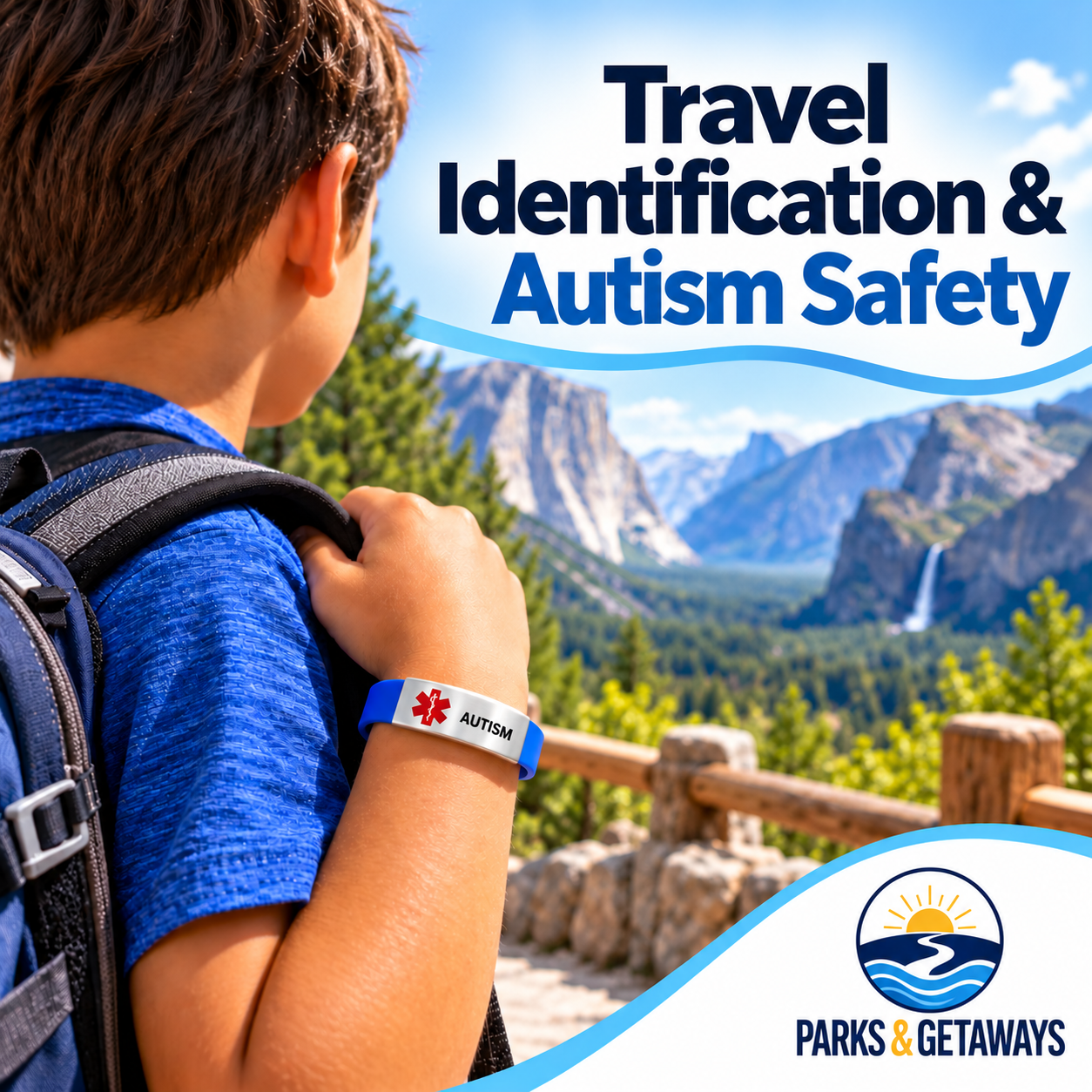
When traveling with a person with Autism who may wander, become separated, or have difficulty communicating personal information, identification can be an important part of the safety plan. In an unfamiliar environment, your loved one may not be able to provide their name, caregiver's phone number, hotel information, or other details particularly if they are frightened, overwhelmed, or unable to communicate verbally.
Travel identification does not have to look the same for everyone. Medical ID bracelets, shoe tags, wallet cards, temporary identification bands, temporary tattoos, information stored on a phone, and identification securely attached to clothing or belongings can all be options. The goal is to choose a form of identification your loved one will tolerate, that is likely to stay with them, and that provides someone with enough information to help reunite them with you.
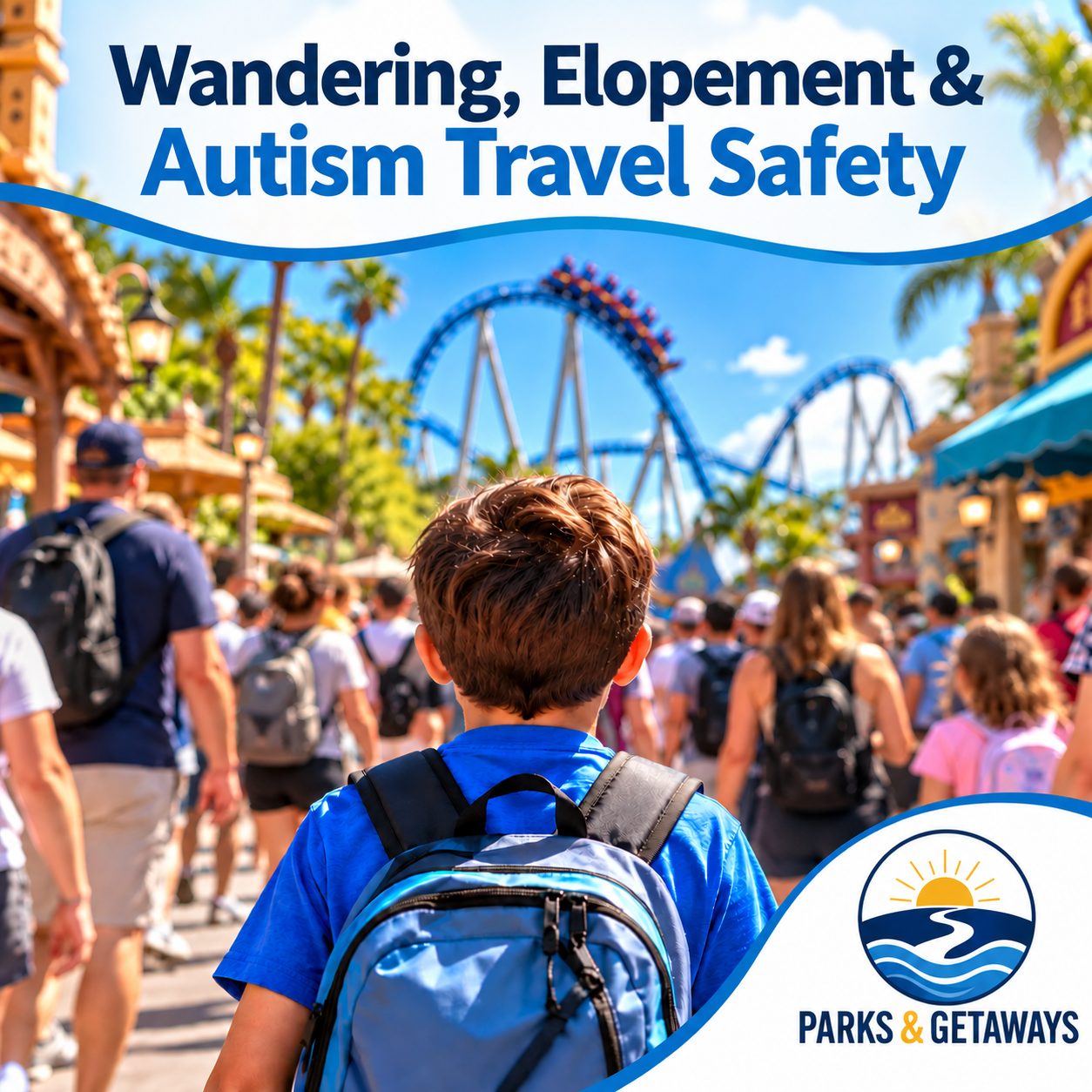
Travel brings new experiences, but it also means unfamiliar environments, changes in routine, crowded spaces, and places that may be difficult to navigate. For a person with Autism who wanders, elopes, or may become separated from their family or caregiver, these changes can create additional safety concerns. Airports, hotels, theme parks, beaches, cruise ships, vacation rentals, and busy city streets all present different risks.
Planning for wandering and elopement while traveling is not about avoiding travel. It is about anticipating what could happen, building safety skills before the trip, putting layers of protection in place, and having a clear plan if separation occurs. No single strategy can prevent every incident, so the strongest approach combines preparation, supervision, identification, technology when appropriate, and an emergency response plan.
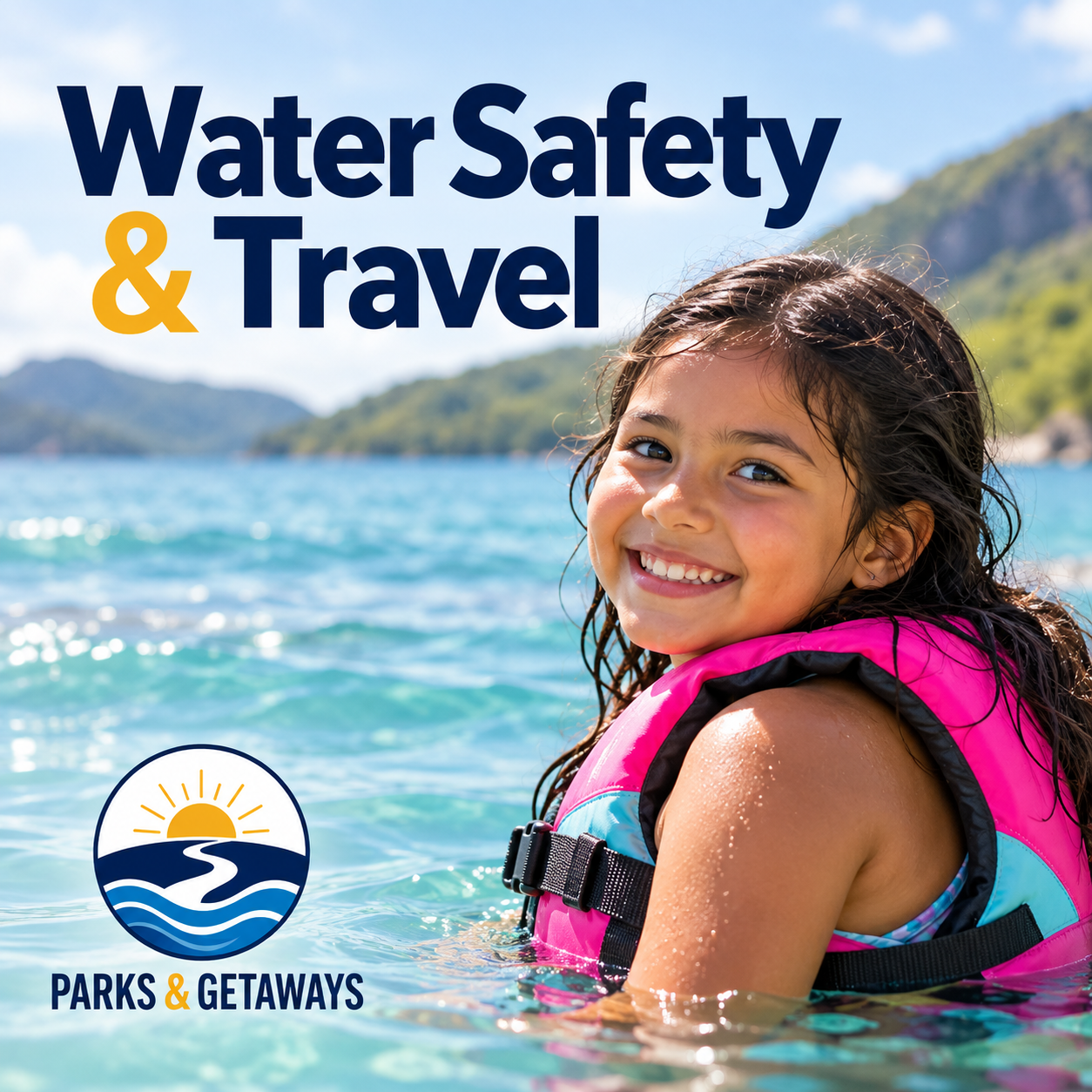
Water can be one of the best parts of a vacation, from swimming in a hotel pool to spending a week at the lake or visiting the beach. For individuals with Autism, water may also create additional safety risks, particularly for those who are drawn to water, have a history of wandering or elopement, or do not consistently recognize danger.
Water safety should begin before the vacation starts. Where you stay, the skills you practice, the rules you establish, and the layers of protection you put in place can all reduce risk while still allowing your loved one to enjoy the water.
A hotel room or vacation rental becomes your home base when you travel. For a person with Autism, however, it is also a completely new environment—with unfamiliar doors, windows, hallways, balconies, pools, stairs, and exits.
Taking time to think about safety before you book and again when you arrive can make a significant difference. The goal isn't to eliminate every possible risk. It is to identify the risks that matter for your loved one and make practical changes so everyone can enjoy the trip.
Autism-Friendly Travel
Cruise
Destination Guides
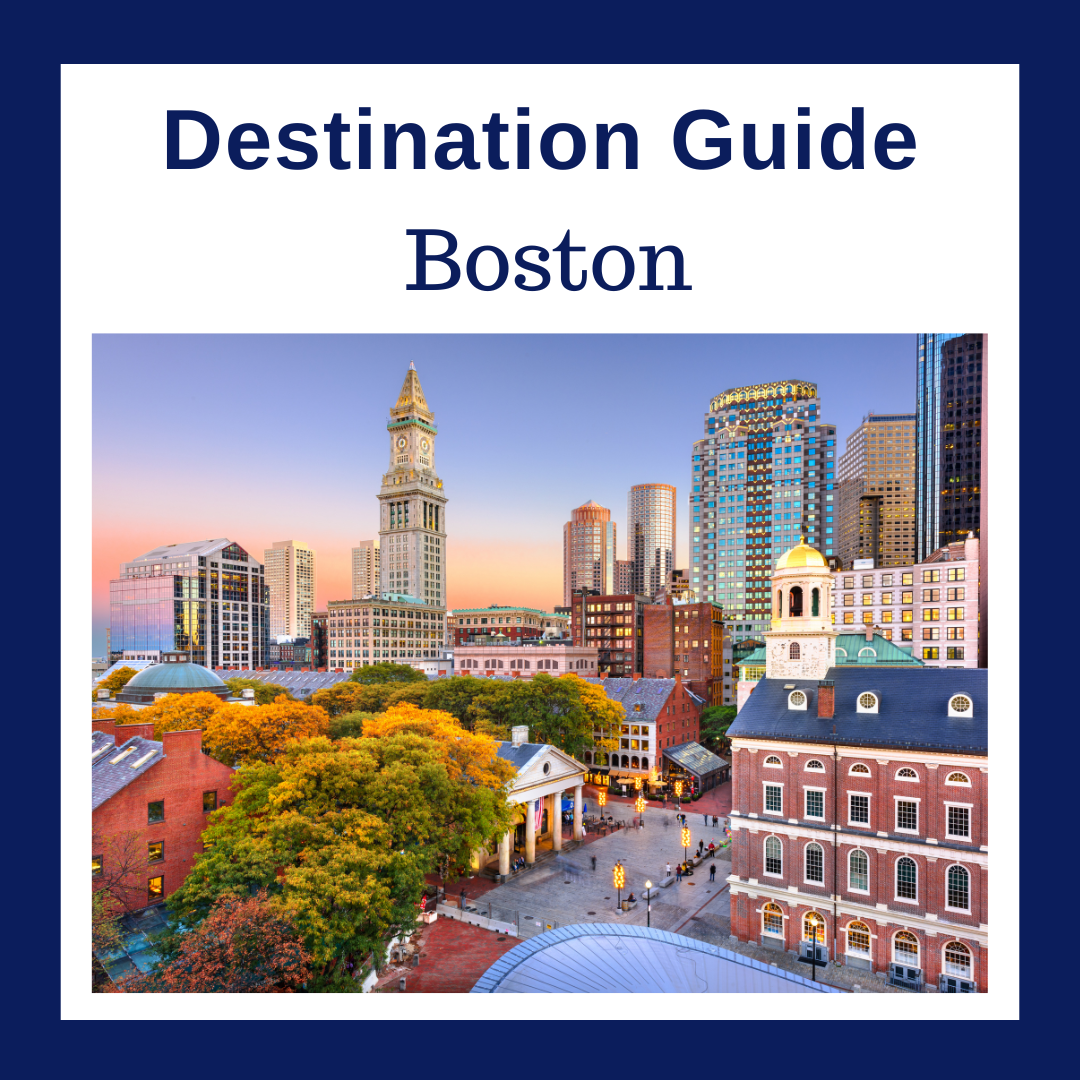
Boston is one of those cities where you can walk a few blocks and somehow travel a few hundred years.
You can start the morning walking past buildings that were here during the American Revolution, grab lunch at a public market, spend the afternoon with penguins at the aquarium, and end the night watching the Red Sox at Fenway Park.
And while Boston has plenty of the attractions you’ll find on every visitor’s list, some of the best parts of the city are the little things in between: walking the brick sidewalks of Beacon Hill, grabbing a cannoli in the North End, sitting by the harbor, or arguing about which North End bakery is actually the best.
As someone from Massachusetts, my biggest advice is this: don’t try to see all of Boston in one day.
Boston looks small on a map—and geographically, it is but there is a lot packed into it. Give yourself time to wander a little.
Here’s what I would put on your Boston list.

Planning a Disney vacation isn’t just about picking a park—it’s about designing a getaway that fits your family’s needs, interests, and pace. Whether you’re a first-timer or a lifelong Disney fan, Disneyland Resort offers unforgettable experiences with all the charm and magic Walt Disney himself envisioned.
This guide covers all the essential tips to plan your trip with ease—from hotel options and dining to park strategies and special events. It’s everything you need to know to make your Disneyland vacation simple, inclusive, and full of fun.

Planning a Disney vacation isn’t just about choosing a park—it’s about creating a trip that truly works for your family. Whether it’s your first visit or your tenth, Walt Disney World offers unforgettable moments for guests of all ages and abilities. From meeting favorite characters and soaring through thrilling attractions to navigating the parks with food allergies or sensory needs, there’s magic for everyone.
This guide covers all the must-know details to help you plan with confidence—resorts, transportation, dining, park strategies, special events, and more. It’s everything you need to know to make your Disney vacation easier, more inclusive, and full of joy.

When people say “Perfect Day at CocoCay,” they aren’t exaggerating. Our recent visit truly lived up to the name — it was one of the best days of our entire cruise! We traveled with a large group of six families, ranging from little kids to teenagers, and CocoCay had something for every age and interest.
If you’re planning your first visit or wondering how it works when traveling with a big group, here’s a glimpse into our incredible day!

Cruising is a great way to enjoy a family vacation, but traveling with food allergies requires planning and preparation. Fortunately, cruise lines are increasingly aware of the needs of passengers with food allergies, offering specialized menus and personalized options to help create a safe and enjoyable experience. This guide will walk you through everything you need to know to make your cruise as safe and stress-free as possible.

Are you dreaming of a group getaway but wondering how to find a cruise that caters to everyone’s unique needs? Whether you’re traveling with kids, adults, or multigenerational families, there’s a perfect cruise experience waiting for you. From family-friendly fun to food allergy accommodations and Autism-friendly features, these cruise lines are ready to make your vacation stress-free and unforgettable.
Disney Parks

A Disney World vacation is packed with potential for magic, but it’s also packed with crowds, heat, and a whole lot of logistics. If you're not careful, you can fall into some common traps that leave you feeling more exhausted than enchanted.
Here are 10 mistakes to watch out for (and tips to help you avoid them), so you can spend less time stressing and more time making memories that last a lifetime.

Planning a Disney World vacation with a child who has Autism can bring up a lot of questions—especially around sensory overload. While the parks are full of exciting sights and sounds, they can also be loud, crowded, and overwhelming at times. The good news? Disney offers plenty of hidden spots where you can step away, breathe, and take a break when needed. Here are four of my favorite quiet places to rest in each Walt Disney World theme park:

This 7-day itinerary blends the best of Disney’s theme parks with moments to unwind, making it perfect for families who want both magic and memories—with minimal stress. Whether it's your first visit or your fiftieth, here's how to make the most of each magical day

Magic doesn’t always have to come with a price tag—especially at Walt Disney World!
Whether you're visiting the parks on a tight budget or just looking to add a little extra pixie dust to your trip, there are plenty of magical experiences that won’t cost a thing. From hands-on activities to character moments and nighttime shows, here are some of the best free things you can do at Walt Disney World.

If you love Disney but hate long lines and big crowds, then Disney After Hours events are for you! In February, I had the chance to experience the Hollywood Studios After Hours Event, and let me tell you—it was absolute Disney magic. From early park entry to low wait times, nighttime entertainment, and unlimited snacks, this event is hands down one of the best ways to experience the parks. Let’s break it down so you can see why you need to add this to your Disney bucket list!
Food Allergy Friendly Travel

The Sunflower Lanyard is a bright green lanyard with a sunflower pattern that quietly communicates, “I may need a little extra help or patience.” It’s designed for individuals with non-visible disabilities—conditions that aren’t immediately apparent, such as Autism, anxiety, chronic pain, sensory sensitivities, ADHD, or even medical conditions like epilepsy or diabetes.

Traveling with food allergies requires extra planning, but that doesn’t mean you have to miss out on exciting experiences! With the right preparation, you can safely enjoy vacations, explore new destinations, and create lifelong memories without the constant stress of finding safe food options. Whether you’re heading to a theme park, taking a cruise, or traveling internationally, this guide will help you navigate food allergies with confidence.

Traveling to Disney World with a food allergy can feel overwhelming, but Disney has taken steps to make it easier. One of the most convenient tools available is Mobile Order through the My Disney Experience app. This feature allows you to order food at many quick-service locations without waiting in line. Learn how!
Cruising is a great way to enjoy a family vacation, but traveling with food allergies requires planning and preparation. Fortunately, cruise lines are increasingly aware of the needs of passengers with food allergies, offering specialized menus and personalized options to help create a safe and enjoyable experience. This guide will walk you through everything you need to know to make your cruise as safe and stress-free as possible.
Special Service Request (SSR) codes are an essential tool that airlines use to accommodate the diverse needs of their passengers. These codes are added to your booking to communicate specific requirements to airline staff, ensuring a smoother and more inclusive travel experience. From assisting travelers with Autism to food allergies and addressing mobility, SSR codes help airlines provide the right level of care and support throughout your journey.
All Blog Articles
Travel Emergency Plan
Emergencies can happen anywhere, but being away from home can make responding more complicated. You may be in an unfamiliar city, staying in a hotel or vacation rental, visiting a crowded attraction, traveling through an airport, or spending time somewhere you do not know the closest hospital, police department, or other emergency resources. For a person with Autism, an emergency may also involve communication differences, sensory needs, wandering or elopement, medical needs, or difficulty understanding what is happening.
A travel emergency plan gives your family a clear starting point. The goal is not to prepare for every possible situation. It is to make sure you have the information, supplies, contacts, and response plan you are most likely to need if something goes wrong.
Travel Identification & Autism Safety
When traveling with a person with Autism who may wander, become separated, or have difficulty communicating personal information, identification can be an important part of the safety plan. In an unfamiliar environment, your loved one may not be able to provide their name, caregiver's phone number, hotel information, or other details particularly if they are frightened, overwhelmed, or unable to communicate verbally.
Travel identification does not have to look the same for everyone. Medical ID bracelets, shoe tags, wallet cards, temporary identification bands, temporary tattoos, information stored on a phone, and identification securely attached to clothing or belongings can all be options. The goal is to choose a form of identification your loved one will tolerate, that is likely to stay with them, and that provides someone with enough information to help reunite them with you.
Water Safety & Travel
Water can be one of the best parts of a vacation, from swimming in a hotel pool to spending a week at the lake or visiting the beach. For individuals with Autism, water may also create additional safety risks, particularly for those who are drawn to water, have a history of wandering or elopement, or do not consistently recognize danger.
Water safety should begin before the vacation starts. Where you stay, the skills you practice, the rules you establish, and the layers of protection you put in place can all reduce risk while still allowing your loved one to enjoy the water.
Hotel Room and Vacation Rental Safety & Autism
A hotel room or vacation rental becomes your home base when you travel. For a person with Autism, however, it is also a completely new environment—with unfamiliar doors, windows, hallways, balconies, pools, stairs, and exits.
Taking time to think about safety before you book and again when you arrive can make a significant difference. The goal isn't to eliminate every possible risk. It is to identify the risks that matter for your loved one and make practical changes so everyone can enjoy the trip.