
Blog Articles
Whether you're planning your first big adventure or your fiftieth family getaway, this is the place to find all the tools you need for a smooth, memorable trip. From expert planning tips and packing guides to destination deep-dives and insider advice, we're here to help make travel easier, more inclusive, and way more fun.
Explore helpful articles filled with tips and strategies —and use the search bar to find your favorite destinations or topics, like Walt Disney World, cruises, or Autism travel tips.
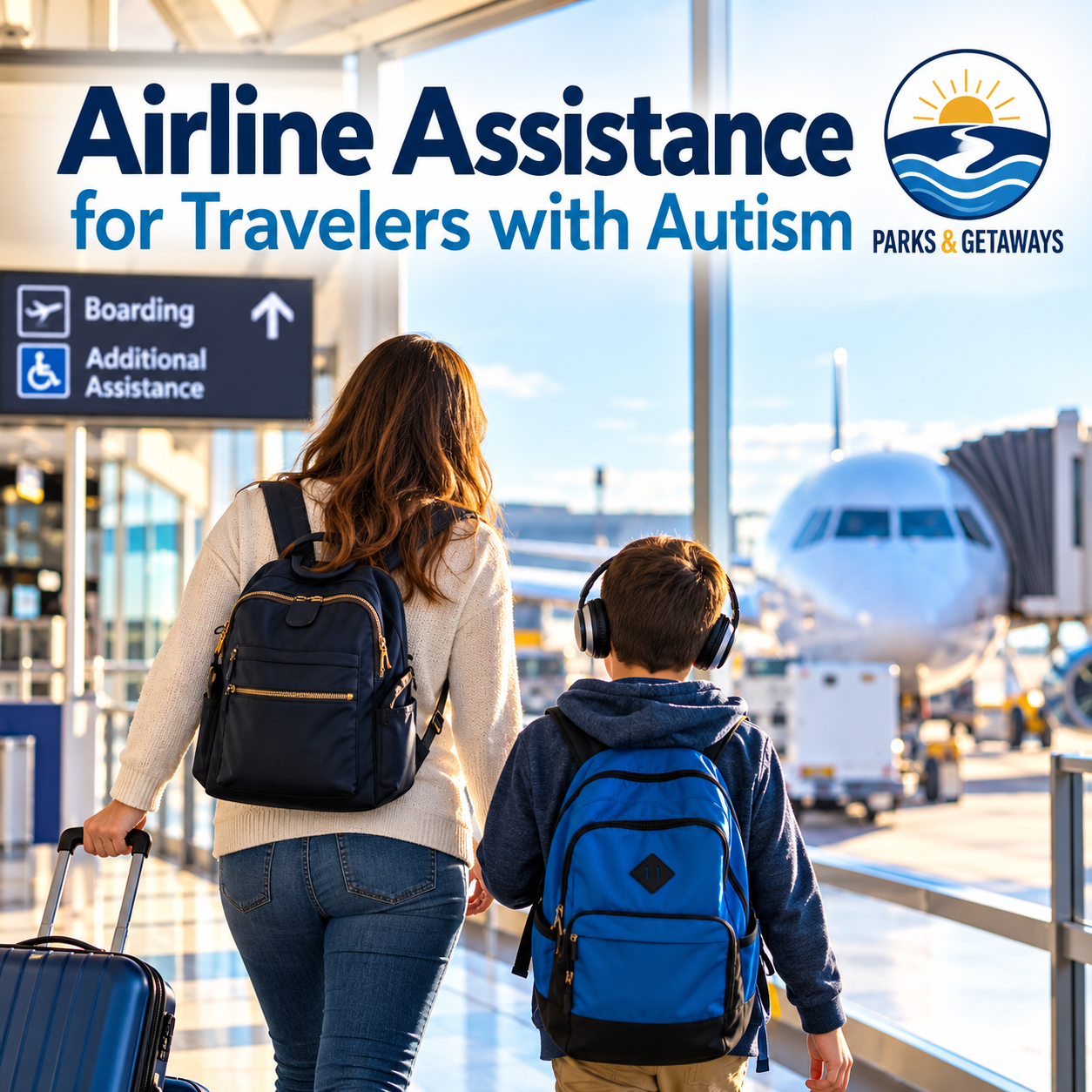
Flying can involve a lot of unpredictability: crowded terminals, long waits, changing gates, boarding announcements, unfamiliar routines, and sensory experiences that are difficult to fully prepare for. For some individuals with Autism, those parts of air travel can be more challenging than the flight itself.
Airlines offer a variety of disability-related supports that can make the experience more manageable. Depending on the airline and the individual's needs, assistance may include help navigating the airport, preboarding, support during connections, seating accommodations, and additional assistance communicating with airline employees.
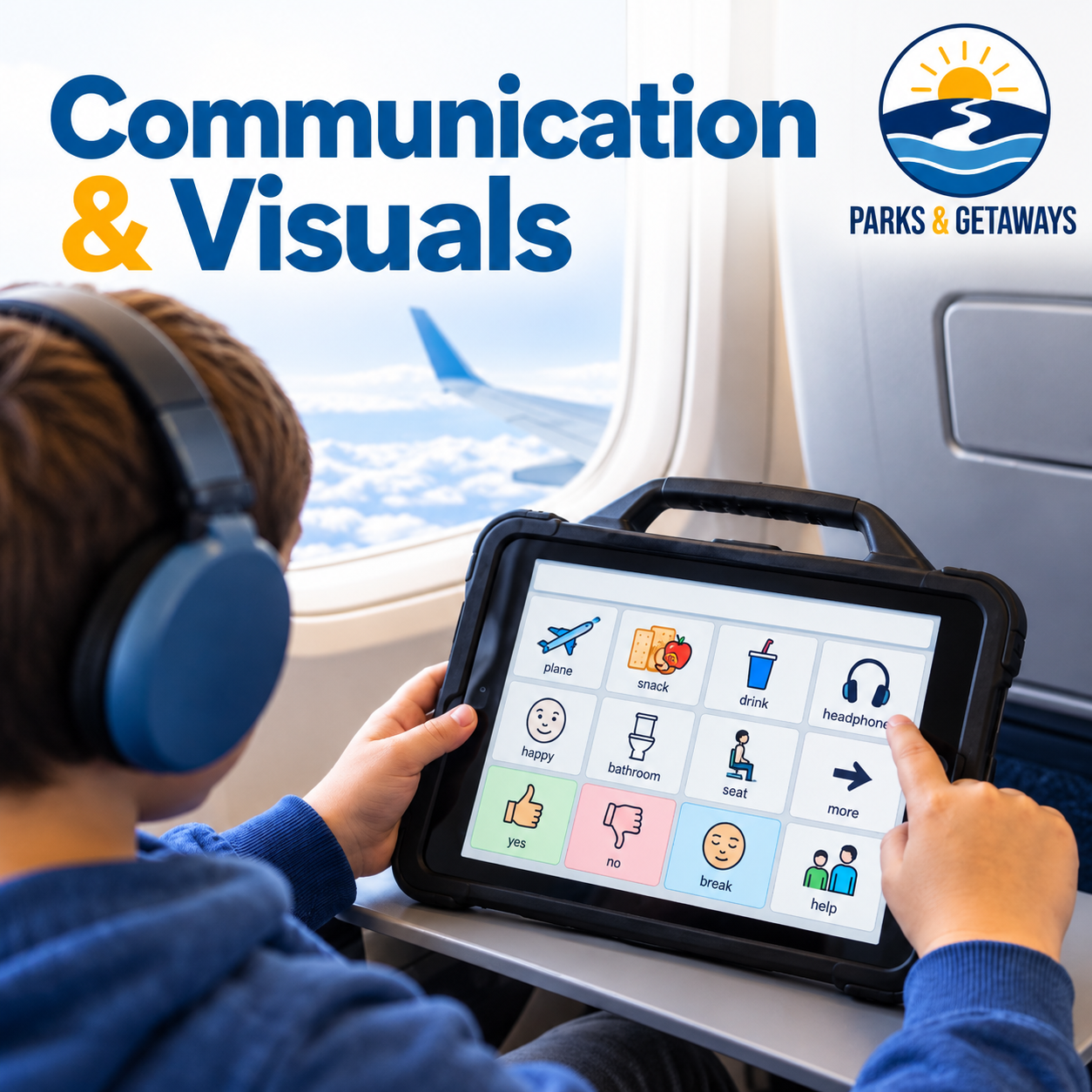
Travel involves a lot of communication. From checking in and going through security to finding a gate, boarding the plane, ordering food, using the restroom, and responding to unexpected changes, travelers are constantly receiving information and being expected to communicate with others.
For a traveler with Autism, those communication demands can become more difficult in an unfamiliar or overwhelming environment.
A person who communicates very effectively at home may communicate differently when they are tired, anxious, overwhelmed, or experiencing sensory overload. A traveler who usually speaks may have difficulty finding words in a busy airport. Someone who uses AAC may need additional travel-specific vocabulary. Another traveler may understand spoken language but need visual information to make an unfamiliar experience easier to process.
Communication supports should be part of your travel planning from the beginning. The goal is not to introduce an entirely new communication system for vacation. Whenever possible, start with the tools and strategies your traveler already knows and adapt them for travel.
Air travel can involve a lot of uncertainty: unfamiliar spaces, crowds, security screening, waiting, announcements, changes in plans, and the sensory experience of being in an airport and on an airplane. For a person with Autism, those parts of travel may require additional preparation and support.
The good news is that airports across the United States are offering more resources for travelers with Autism, developmental disabilities, sensory needs, and other non-visible disabilities. The challenge is that every airport is different.
One airport may have a dedicated sensory room, social story, practice flight program, and trained assistance staff. Another may participate in the Hidden Disabilities Sunflower program but offer few other Autism-specific resources. Smaller airports may have very limited formal programming but can still provide accommodations or assistance when contacted in advance.
That is why we created the Parks & Getaways U.S. Airport Autism & Sensory Resource Directory.
Our directory includes 100 airports across all 50 states and is designed to help families quickly identify resources that may be available at their departure, connecting, and destination airports.
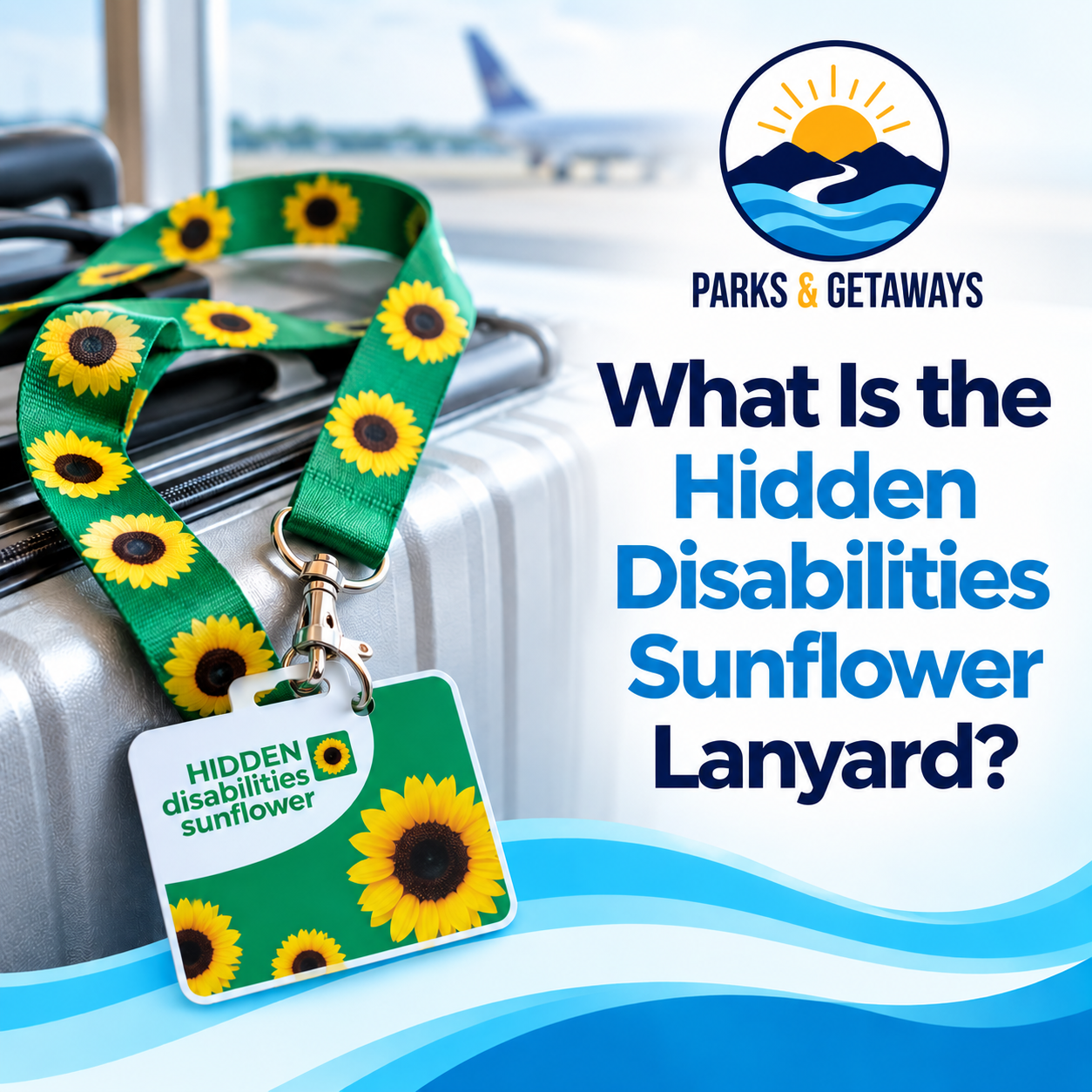
The Sunflower Lanyard is a bright green lanyard with a sunflower pattern that quietly communicates, “I may need a little extra help or patience.” It’s designed for individuals with non-visible disabilities—conditions that aren’t immediately apparent, such as Autism, anxiety, chronic pain, sensory sensitivities, ADHD, or even medical conditions like epilepsy or diabetes.

Airports can be an overwhelming experience for people with Autism. The loud noises, crowded spaces, and unfamiliar routines may cause anxiety and stress. Thankfully, the TSA Cares program is designed to assist families, providing personalized support to ensure a smoother and less stressful airport experience. Here’s a step-by-step guide to help you navigate this fantastic resource and make your next trip more enjoyable.
Flying & Autism
Cruise
Travel Safety & Autism
A cruise can offer a unique sense of freedom for families. You unpack once, have activities and dining nearby, and travel to multiple destinations without repeatedly changing hotels. But a cruise ship is also a large, unfamiliar environment surrounded by water, and that creates safety considerations families should think through before sailing.
For a traveler with Autism, cruise safety planning may include wandering and elopement, water safety, identification, communication, supervision, and cabin security. The goal isn't to approach a cruise with fear. It is to identify the areas where your loved one may need additional support and put those supports in place before the trip.
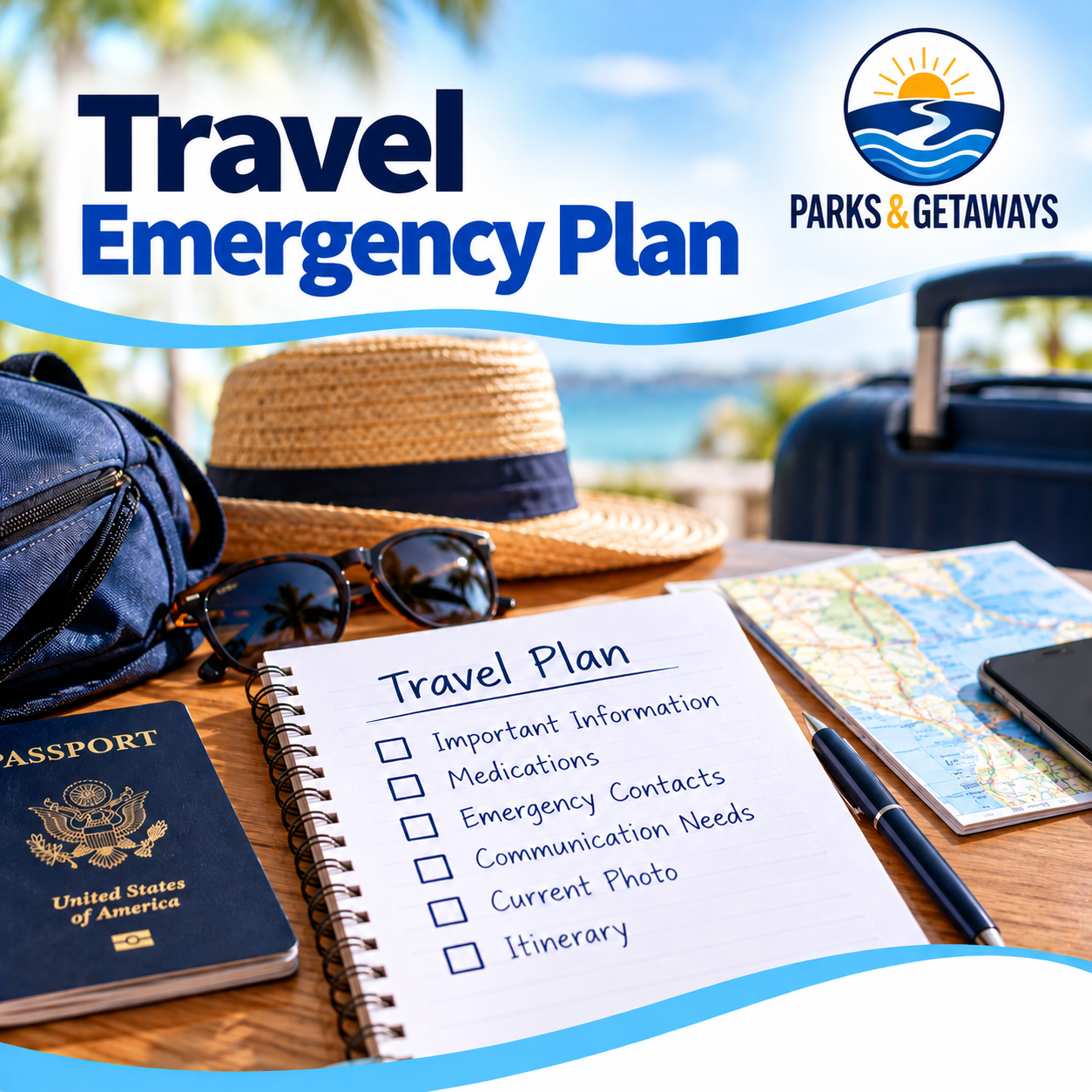
Emergencies can happen anywhere, but being away from home can make responding more complicated. You may be in an unfamiliar city, staying in a hotel or vacation rental, visiting a crowded attraction, traveling through an airport, or spending time somewhere you do not know the closest hospital, police department, or other emergency resources. For a person with Autism, an emergency may also involve communication differences, sensory needs, wandering or elopement, medical needs, or difficulty understanding what is happening.
A travel emergency plan gives your family a clear starting point. The goal is not to prepare for every possible situation. It is to make sure you have the information, supplies, contacts, and response plan you are most likely to need if something goes wrong.
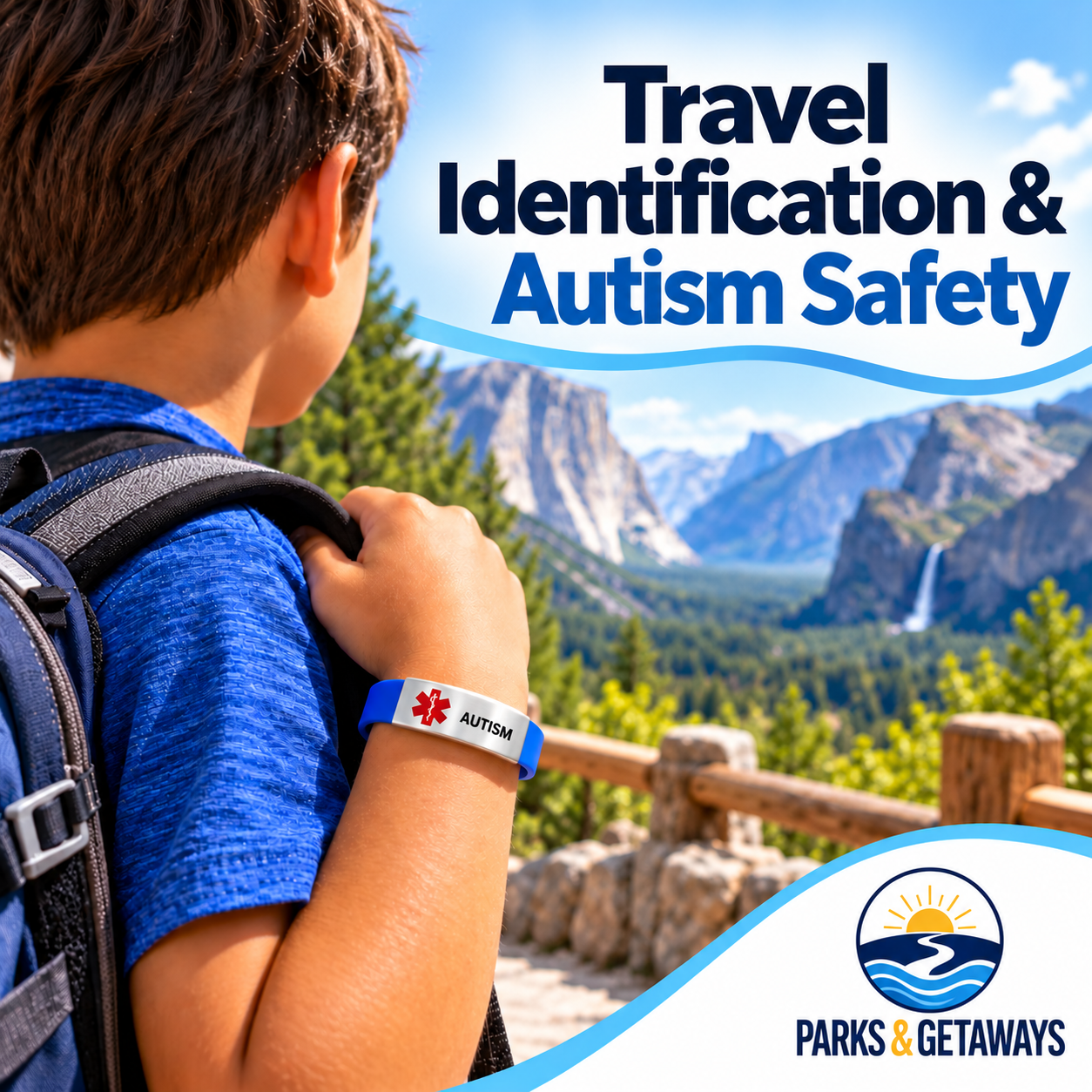
When traveling with a person with Autism who may wander, become separated, or have difficulty communicating personal information, identification can be an important part of the safety plan. In an unfamiliar environment, your loved one may not be able to provide their name, caregiver's phone number, hotel information, or other details particularly if they are frightened, overwhelmed, or unable to communicate verbally.
Travel identification does not have to look the same for everyone. Medical ID bracelets, shoe tags, wallet cards, temporary identification bands, temporary tattoos, information stored on a phone, and identification securely attached to clothing or belongings can all be options. The goal is to choose a form of identification your loved one will tolerate, that is likely to stay with them, and that provides someone with enough information to help reunite them with you.
Water can be one of the best parts of a vacation, from swimming in a hotel pool to spending a week at the lake or visiting the beach. For individuals with Autism, water may also create additional safety risks, particularly for those who are drawn to water, have a history of wandering or elopement, or do not consistently recognize danger.
Water safety should begin before the vacation starts. Where you stay, the skills you practice, the rules you establish, and the layers of protection you put in place can all reduce risk while still allowing your loved one to enjoy the water.
A hotel room or vacation rental becomes your home base when you travel. For a person with Autism, however, it is also a completely new environment—with unfamiliar doors, windows, hallways, balconies, pools, stairs, and exits.
Taking time to think about safety before you book and again when you arrive can make a significant difference. The goal isn't to eliminate every possible risk. It is to identify the risks that matter for your loved one and make practical changes so everyone can enjoy the trip.
Traveling with a child on the autism spectrum can be an exciting way to create unforgettable family memories. But for families with a child who has a history of wandering or eloping, planning a trip can bring additional challenges. By taking proactive steps and using key tools, you can help keep your child safe and enjoy a more relaxing vacation. Here are essential tips and product recommendations to keep in mind when planning your next getaway.
Embarkation day is exciting, you've arrived at the port, the ship is right in front of you, and your vacation is finally beginning. But for a traveler with Autism, it can also be one of the most demanding days of the cruise.
There may be luggage drop-off, security, check-in, identification checks, waiting, crowds, unfamiliar people, boarding the ship, finding your way around, and completing the required safety process. Your stateroom may not be available when you first board, which means you could be navigating the ship with your carry-on bags while thousands of other passengers are doing the same thing.
Preparing for these transitions ahead of time can make the beginning of your cruise much more predictable.
A cruise can offer a great combination of adventure and predictability. Your family can visit new destinations while returning to the same stateroom each night, eating in familiar locations, and developing a routine onboard. But before that routine becomes familiar, there are a lot of new experiences to navigate.
For a traveler with Autism, preparing for those unfamiliar parts of cruising can make the experience more predictable. Social stories, visual schedules, video modeling, and practicing specific skills before the trip can help your loved one understand what to expect—from arriving at the cruise terminal to returning home. The goal isn't to prepare for every possible moment. Focus on the parts of the cruise that will be new, different, or potentially challenging for your loved one.
Cruise lines vary considerably in the supports they offer travelers with Autism. Some have formal Autism or sensory-inclusion programs, while others address Autism through their broader accessibility services. The type of assistance available can also differ by ship, sailing, port, and the age of the traveler.
That makes it important to research supports before you book, especially if a particular accommodation could affect whether the cruise works for your family. Contact the cruise line's accessibility department directly, explain your loved one's specific needs, and ask what can be arranged for your particular sailing. The information below reflects cruise-line policies and programs available as of September 2026. Because programs can change, always verify current accommodations directly with the cruise line before traveling.
A cruise can offer a unique sense of freedom for families. You unpack once, have activities and dining nearby, and travel to multiple destinations without repeatedly changing hotels. But a cruise ship is also a large, unfamiliar environment surrounded by water, and that creates safety considerations families should think through before sailing.
For a traveler with Autism, cruise safety planning may include wandering and elopement, water safety, identification, communication, supervision, and cabin security. The goal isn't to approach a cruise with fear. It is to identify the areas where your loved one may need additional support and put those supports in place before the trip.
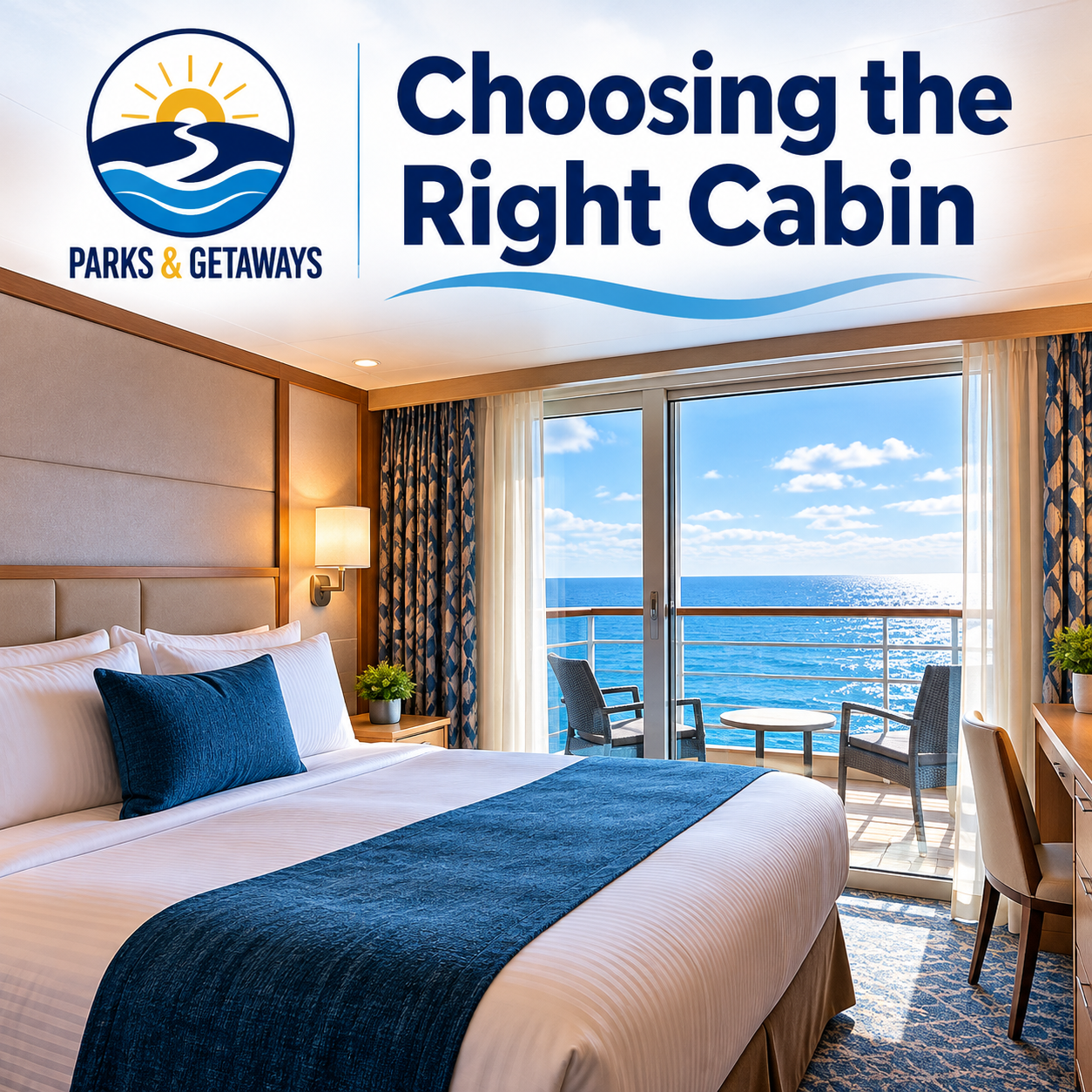
Your cruise cabin is more than a place to sleep. For a traveler with Autism, it can become an important home base throughout the vacation, a familiar, predictable space to return to when the rest of the ship feels busy or overwhelming. That makes choosing a cabin an important part of planning your cruise. Location, noise, lighting, balcony access, space, and proximity to busy areas can all affect the experience. The cabin with the best view or the most space isn't necessarily the cabin that will work best for your family. Before booking, think about how your loved one responds to noise, unfamiliar environments, crowds, sleep changes, and safety concerns.
Disney Parks

A Disney World vacation is packed with potential for magic, but it’s also packed with crowds, heat, and a whole lot of logistics. If you're not careful, you can fall into some common traps that leave you feeling more exhausted than enchanted.
Here are 10 mistakes to watch out for (and tips to help you avoid them), so you can spend less time stressing and more time making memories that last a lifetime.

Planning a Disney World vacation with a child who has Autism can bring up a lot of questions—especially around sensory overload. While the parks are full of exciting sights and sounds, they can also be loud, crowded, and overwhelming at times. The good news? Disney offers plenty of hidden spots where you can step away, breathe, and take a break when needed. Here are four of my favorite quiet places to rest in each Walt Disney World theme park:

This 7-day itinerary blends the best of Disney’s theme parks with moments to unwind, making it perfect for families who want both magic and memories—with minimal stress. Whether it's your first visit or your fiftieth, here's how to make the most of each magical day

Magic doesn’t always have to come with a price tag—especially at Walt Disney World!
Whether you're visiting the parks on a tight budget or just looking to add a little extra pixie dust to your trip, there are plenty of magical experiences that won’t cost a thing. From hands-on activities to character moments and nighttime shows, here are some of the best free things you can do at Walt Disney World.

If you love Disney but hate long lines and big crowds, then Disney After Hours events are for you! In February, I had the chance to experience the Hollywood Studios After Hours Event, and let me tell you—it was absolute Disney magic. From early park entry to low wait times, nighttime entertainment, and unlimited snacks, this event is hands down one of the best ways to experience the parks. Let’s break it down so you can see why you need to add this to your Disney bucket list!
Food Allergy Friendly Travel
The Sunflower Lanyard is a bright green lanyard with a sunflower pattern that quietly communicates, “I may need a little extra help or patience.” It’s designed for individuals with non-visible disabilities—conditions that aren’t immediately apparent, such as Autism, anxiety, chronic pain, sensory sensitivities, ADHD, or even medical conditions like epilepsy or diabetes.

Traveling with food allergies requires extra planning, but that doesn’t mean you have to miss out on exciting experiences! With the right preparation, you can safely enjoy vacations, explore new destinations, and create lifelong memories without the constant stress of finding safe food options. Whether you’re heading to a theme park, taking a cruise, or traveling internationally, this guide will help you navigate food allergies with confidence.

Traveling to Disney World with a food allergy can feel overwhelming, but Disney has taken steps to make it easier. One of the most convenient tools available is Mobile Order through the My Disney Experience app. This feature allows you to order food at many quick-service locations without waiting in line. Learn how!

Cruising is a great way to enjoy a family vacation, but traveling with food allergies requires planning and preparation. Fortunately, cruise lines are increasingly aware of the needs of passengers with food allergies, offering specialized menus and personalized options to help create a safe and enjoyable experience. This guide will walk you through everything you need to know to make your cruise as safe and stress-free as possible.
Special Service Request (SSR) codes are an essential tool that airlines use to accommodate the diverse needs of their passengers. These codes are added to your booking to communicate specific requirements to airline staff, ensuring a smoother and more inclusive travel experience. From assisting travelers with Autism to food allergies and addressing mobility, SSR codes help airlines provide the right level of care and support throughout your journey.
All Articles
Hotel Room and Vacation Rental Safety & Autism
A hotel room or vacation rental becomes your home base when you travel. For a person with Autism, however, it is also a completely new environment—with unfamiliar doors, windows, hallways, balconies, pools, stairs, and exits.
Taking time to think about safety before you book and again when you arrive can make a significant difference. The goal isn't to eliminate every possible risk. It is to identify the risks that matter for your loved one and make practical changes so everyone can enjoy the trip.