
Hotels vs. Vacation Rentals: Which Is Right for Your Family?
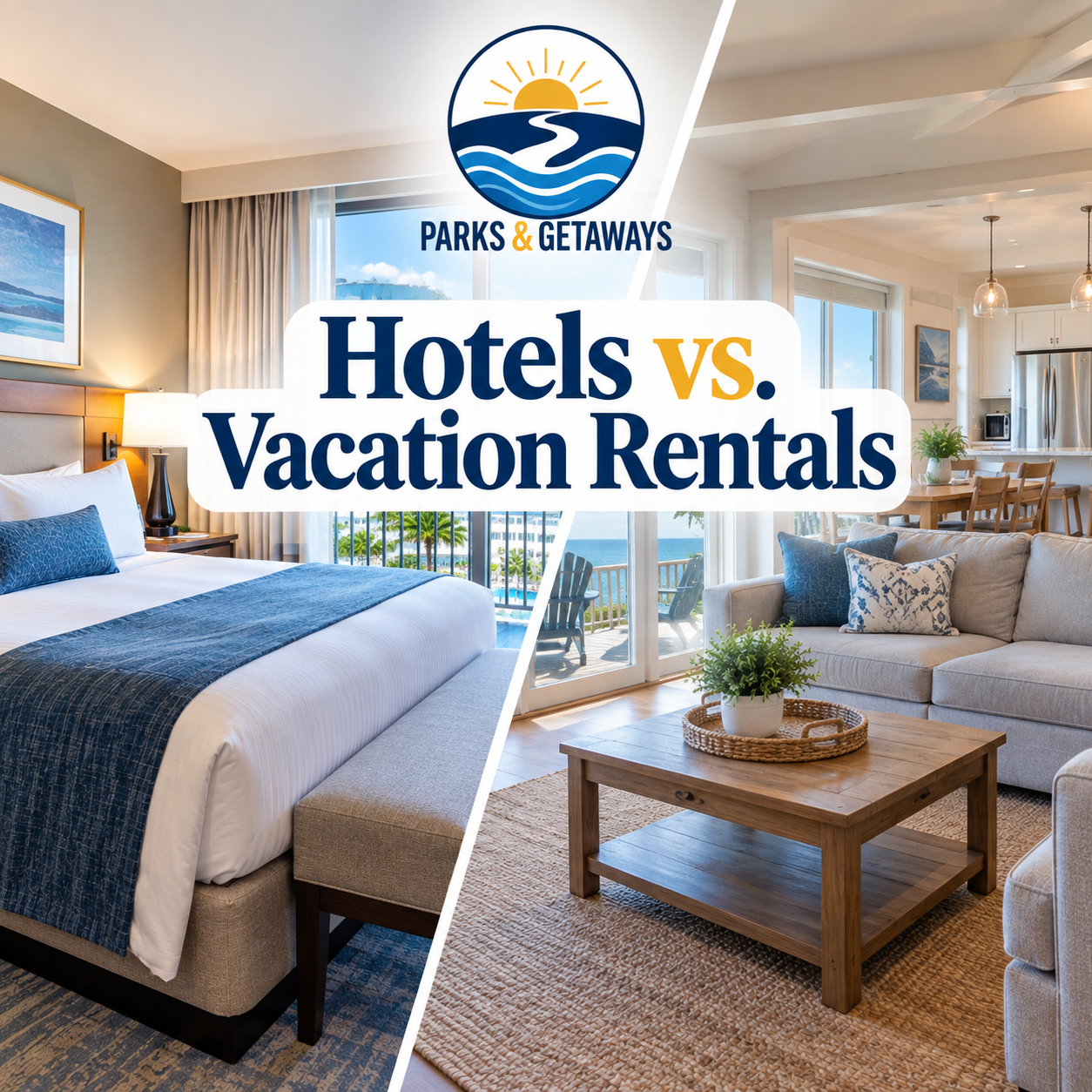
Where you stay can have a big impact on your trip. For families traveling with Autism, choosing accommodations may involve more than comparing price, star ratings, and whether there is a pool.
Think about what daily life will actually look like once you arrive. How much space does your traveler need? Is having a separate bedroom important? Will you need to prepare meals? Does your traveler do better with predictable hotel environments or with the privacy of a house or condo? How important is location? What about noise, safety, accessibility, laundry, transportation, or maintaining familiar routines?
Hotels and vacation rentals can both work well. They simply offer different advantages. The best place to stay is the one that works for your traveler, your family, and this particular trip.
Start With Your Traveler's Needs
Before opening a hotel booking site or searching vacation rentals, make a short list of what actually matters to your family. Think about your traveler's sleep, sensory needs, food, communication, safety, routines, personal space, and accessibility needs. Then consider the rest of the family.
You may want to think about questions such as:
Does your traveler need a separate sleeping space?
Is noise from neighboring rooms likely to be difficult?
Will you need a refrigerator, microwave, or full kitchen?
Does your traveler need room to move around?
Is a bathtub important, or is a shower preferred?
Are there wandering or elopement concerns that need to be considered?
Will you spend significant downtime at your accommodations?
How close do you need to be to the places you're visiting?
Would familiar hotel amenities be useful, or would greater privacy be more important?
Your priorities may also change from one vacation to another. The accommodations that work for a theme park trip may be completely different from what you choose for a week at the beach.
The Advantages of Staying at a Hotel
Hotels can make travel considerably easier in some situations. One of their biggest advantages is convenience. Depending on the property, you may have restaurants, housekeeping, transportation, pools, activities, front-desk staff, and other services available without leaving the property.
Location can also be a major advantage. A hotel within walking distance of an attraction or with reliable transportation may reduce driving, parking, and additional transitions throughout the day. Hotels can also provide a level of predictability. Major hotel brands often have relatively consistent room layouts, check-in procedures, and amenities. If your family has stayed with a particular brand before, some aspects of a new hotel may feel familiar.
Having staff available can be helpful, too. If there is a problem with the room, you need additional towels, something isn't working, or you have questions about the property, there is usually someone available to assist. For shorter trips where you don't plan to spend much time in the room, a hotel may provide everything you need without paying for space you aren't going to use.
The Tradeoffs of a Hotel
The biggest limitation is often space. A standard hotel room may mean everyone is sleeping, relaxing, eating, and getting ready in essentially the same room. That may be perfectly fine for some families and very difficult for others.
Bedtime can become an issue. If one person needs to go to sleep at 8:00 p.m., does that mean everyone needs to turn off the lights and be quiet? If someone wakes during the night, will that wake everyone else? Noise is another consideration. Elevators, hallway conversations, doors closing, housekeeping, neighboring rooms, ice machines, pools, restaurants, and entertainment areas can all affect the environment.
Food options may also be limited. A small refrigerator and microwave can help, but they aren't the same as having a kitchen. This may be particularly important for travelers with food allergies or a limited range of foods they reliably eat.
The hotel itself may be busy as well. Reaching your room could mean repeatedly walking through a lobby, using an elevator, and navigating shared spaces.
These aren't necessarily reasons to avoid hotels. They are simply things to consider before deciding whether a particular hotel works for your traveler.
The Advantages of a Vacation Rental
Vacation rentals can offer something hotels often can't: space and privacy.
Instead of everyone sharing one room, you may have multiple bedrooms, a living room, outdoor space, and separate areas where family members can take a break.
For some travelers with Autism, having a quieter place to return to after a busy day can be especially useful.
A kitchen can also be a significant benefit. You can bring or purchase familiar foods, prepare meals on your own schedule, and have more control over ingredients. A refrigerator, freezer, oven, microwave, dishes, and dining area can make longer trips much easier for some families. Laundry is another advantage. Having a washer and dryer in the rental can reduce how much you need to pack and can be particularly useful after swimming, outdoor activities, or unexpected spills.
Vacation rentals may also make it easier to maintain parts of a familiar routine. Breakfast can happen at the kitchen table. Someone can go to bed while other family members stay awake in another room. You can schedule downtime without everyone having to sit quietly in the same space.
For larger families or longer stays, a rental may also provide considerably more space for the cost.
The Tradeoffs of a Vacation Rental

More space doesn't automatically mean a vacation rental is the better choice. Rentals vary considerably. Two properties listed as having the same number of bedrooms can have completely different layouts, safety features, furnishings, noise levels, and accessibility. Unlike a hotel, there may not be someone immediately available if something goes wrong.
Location also deserves careful attention. A rental that appears close to an attraction on a map may require driving, parking, or navigating busy roads every day. Those extra transitions can add up over the course of a trip.
You should also think about the physical environment. A vacation rental may have stairs, balconies, pools, sliding doors, unfamiliar locks, fireplaces, decorative objects, bunk beds, or easy access to a road or body of water. If your traveler has wandering or elopement risks, the property's exits and surrounding environment deserve particular attention.
Photos are helpful, but they don't always tell you everything you need to know. When something is important to your traveler's safety or accessibility, ask the property owner or manager directly rather than assuming.
Think About Space Differently
Don't just compare the square footage.
Ask yourself how your family will use the space. Imagine returning after a long day at a theme park or sightseeing. One person wants to watch television. Someone else needs quiet. Another person needs to move around. Someone is hungry, while another person is ready for bed. Would everyone being in one hotel room work?
If yes, the convenience of a hotel may outweigh the additional space of a rental.
If not, a suite, connecting hotel rooms, villa, condo, or vacation rental might make more sense.
Separate space isn't a luxury for every family. Sometimes it is part of what makes the accommodations work.
Consider Food and Mealtimes
Food can be an important deciding factor, particularly if your traveler has food allergies, dietary restrictions, strong food preferences, or needs meals at predictable times.
Hotels vary widely. Some provide full kitchens, while others may have only a small refrigerator or no food-preparation area at all. Resorts may have numerous restaurants but still not have foods your traveler will eat. Vacation rentals generally provide greater control over meals when they include a kitchen. But having a kitchen also means shopping, cooking, and cleaning while you're on vacation.
Think realistically about how your family plans to eat. If you're going to eat at restaurants for most meals, a full kitchen may not matter. If breakfast needs to happen before leaving each morning or you need reliable access to particular foods, it may be much more important.
Look at Sensory Considerations
Both hotels and vacation rentals can have sensory advantages and disadvantages. At a hotel, consider hallway noise, elevators, adjoining rooms, housekeeping, HVAC systems, lobby music, pool areas, and outdoor entertainment. At a vacation rental, consider traffic, neighboring properties, landscaping equipment, construction, outdoor lighting, and other environmental factors that may not be obvious from the listing.
Inside either type of accommodation, think about lighting, temperature control, curtains, bedding, smells, and sleeping arrangements.
If something is particularly important to your traveler, investigate it before booking rather than hoping it will work when you arrive.
Don't Forget Location
A beautiful property isn't necessarily the right property if staying there makes the rest of your trip harder. Look at where you'll be going each day.
If you are visiting a theme park, how long will it actually take to get there? Is transportation provided? If you need to leave in the middle of the day, how easy will it be to return to your room? If you're staying in a city, can you walk to attractions, or will you need transportation every time you leave?
Location can be especially important when your traveler benefits from taking breaks during the day. Being 10 minutes away instead of 45 minutes away may change how practical it is to return to your accommodations for downtime. Sometimes paying more for the right location is worth more than getting a larger or less expensive property farther away.
Consider Safety Before You Book
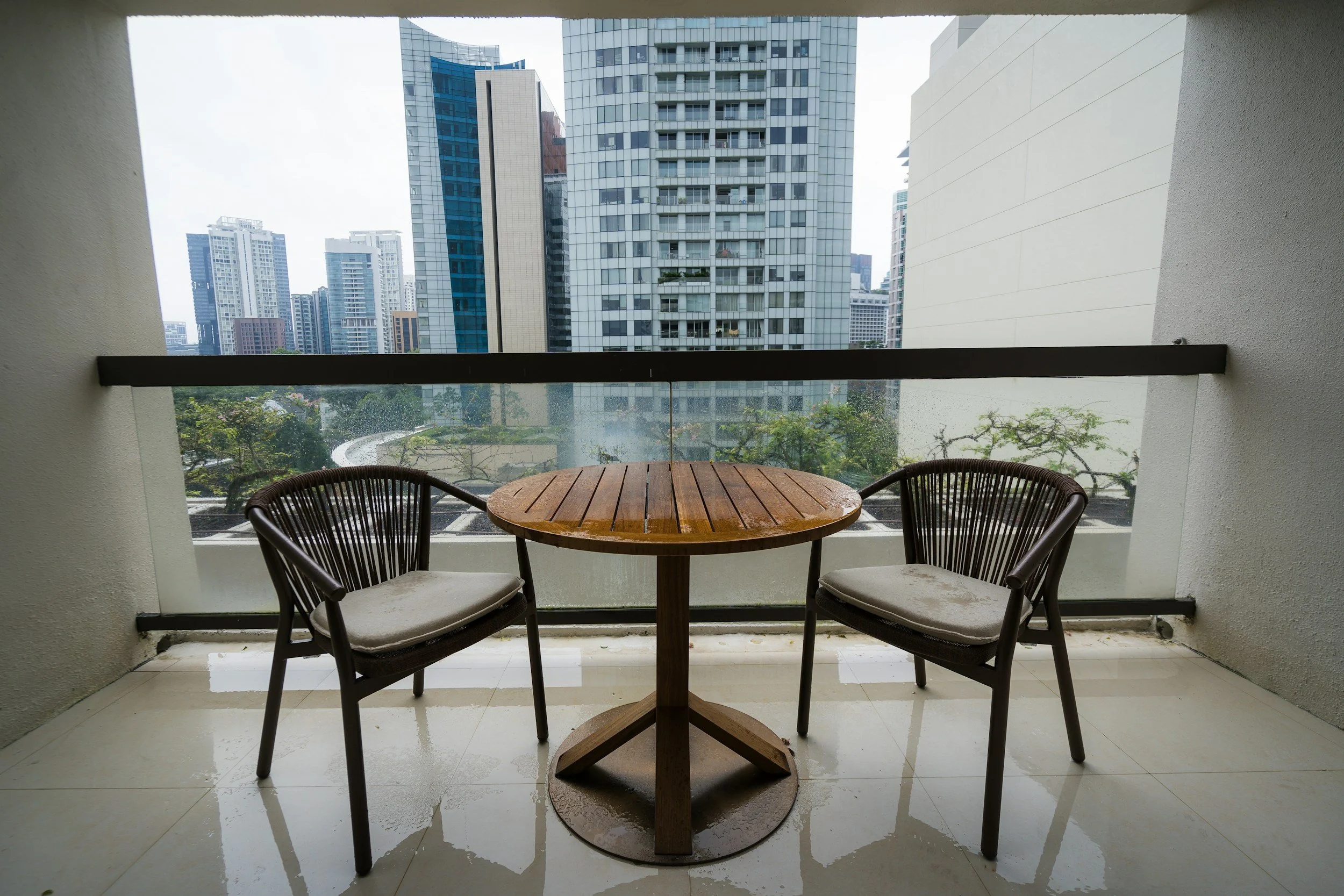
Safety should be part of the accommodation decision, particularly for travelers who may wander or elope. Look beyond the bedroom.
Consider exterior doors, balconies, windows, stairs, elevators, pools, hot tubs, nearby roads, parking areas, and bodies of water. With a vacation rental, look carefully at the property itself as well as what surrounds it. Hotels and vacation rentals present different safety considerations, so don't assume one type is automatically safer than the other. If you have a specific concern, contact the hotel or property manager before booking and ask questions.
Compare the Total Cost
Don't compare only the nightly rate. For a hotel, consider parking, resort fees, breakfast, restaurant meals, transportation, and whether you would need more than one room. For a vacation rental, look at cleaning fees, service fees, parking, transportation, groceries, and any additional property charges. Then consider what you're getting for that money.
A more expensive rental with a kitchen and multiple bedrooms might reduce restaurant expenses and eliminate the need for two hotel rooms. A hotel that costs more per night but includes transportation could save you from renting a car and paying for parking. The lowest nightly price isn't always the least expensive trip.
Hotel or Vacation Rental?
There isn't one answer for families traveling with Autism. A hotel may be a better fit when convenience, location, transportation, on-site services, predictable amenities, or access to staff are priorities. A vacation rental may be a better fit when your family needs additional space, separate sleeping areas, a kitchen, laundry, greater privacy, or more control over the daily environment. And sometimes the best answer falls somewhere in between. Suites, villas, extended-stay hotels, and condo-style resorts can combine elements of both.
Before booking, come back to the same question: What does my traveler need from the place where we're staying? Once you know that, it becomes much easier to decide which type of accommodation makes sense.