
Autism Travel Tips and Articles
This collection of articles is designed to support families traveling with a loved one with Autism. Each article offers practical advice, destination-specific guidance, and thoughtful strategies to help make travel more predictable, inclusive, and enjoyable for everyone.
From choosing Autism-friendly resorts to preparing for flights and navigating theme parks, these articles are here to help you plan with confidence and peace of mind.
Explore the articles below to find the tips and tools you need for a successful and memorable getaway.
Vacation rentals can be a great option for families traveling with Autism. Having separate bedrooms, a kitchen, laundry, more room to spread out, and a private space to return to at the end of the day can make a real difference for some travelers.
But vacation rentals also require a different kind of planning than hotels. Two rentals that look very similar online can be completely different once you arrive. The layout, neighborhood, noise, locks, stairs, pool access, distance from attractions, and even the amount of natural light can affect whether the property works for your family.
The goal isn't simply to find a beautiful rental. It's to find one that works for your traveler and the way your family travels.
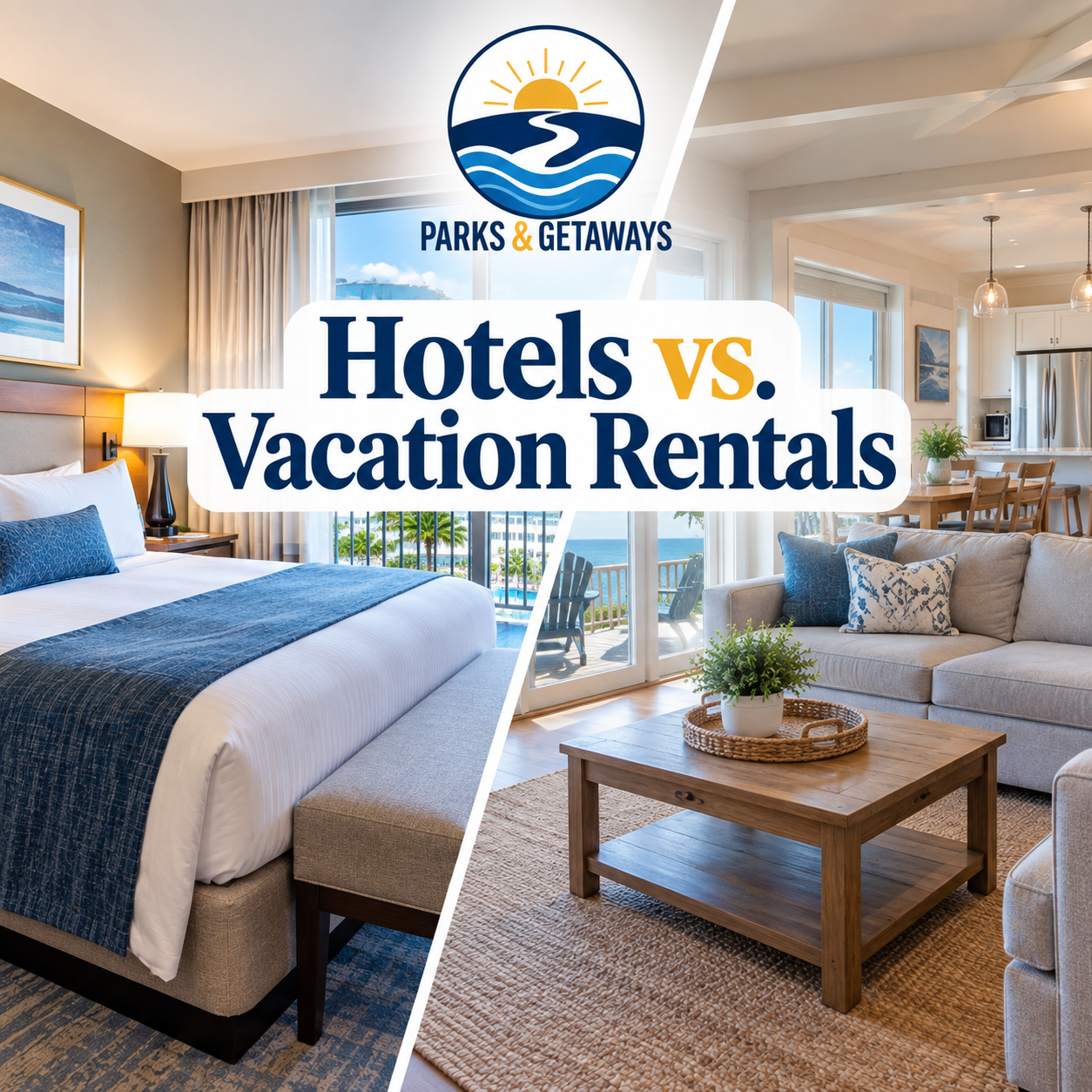
Where you stay can have a big impact on your trip. For families traveling with Autism, choosing accommodations may involve more than comparing price, star ratings, and whether there is a pool.
Think about what daily life will actually look like once you arrive. How much space does your traveler need? Is having a separate bedroom important? Will you need to prepare meals? Does your traveler do better with predictable hotel environments or with the privacy of a house or condo? How important is location? What about noise, safety, accessibility, laundry, transportation, or maintaining familiar routines?
Hotels and vacation rentals can both work well. They simply offer different advantages. The best place to stay is the one that works for your traveler, your family, and this particular trip.
Getting through security can feel like a major milestone on travel day. Once you are on the other side, the pace usually changes. There may be an hour, or several hours, before you actually board the plane.
That waiting time deserves its own plan.
Airport terminals can be busy and unpredictable. There may be crowds, overlapping announcements, televisions, bright lights, rolling luggage, food smells, people moving in every direction, and long stretches where there is simply nothing to do. For a traveler with Autism, those factors can make the time between security and boarding just as important to plan for as the security checkpoint itself.
The goal isn't necessarily to find a perfectly quiet airport experience. Instead, think ahead about where you will wait, what your traveler will need, and how you will respond if the plan changes.
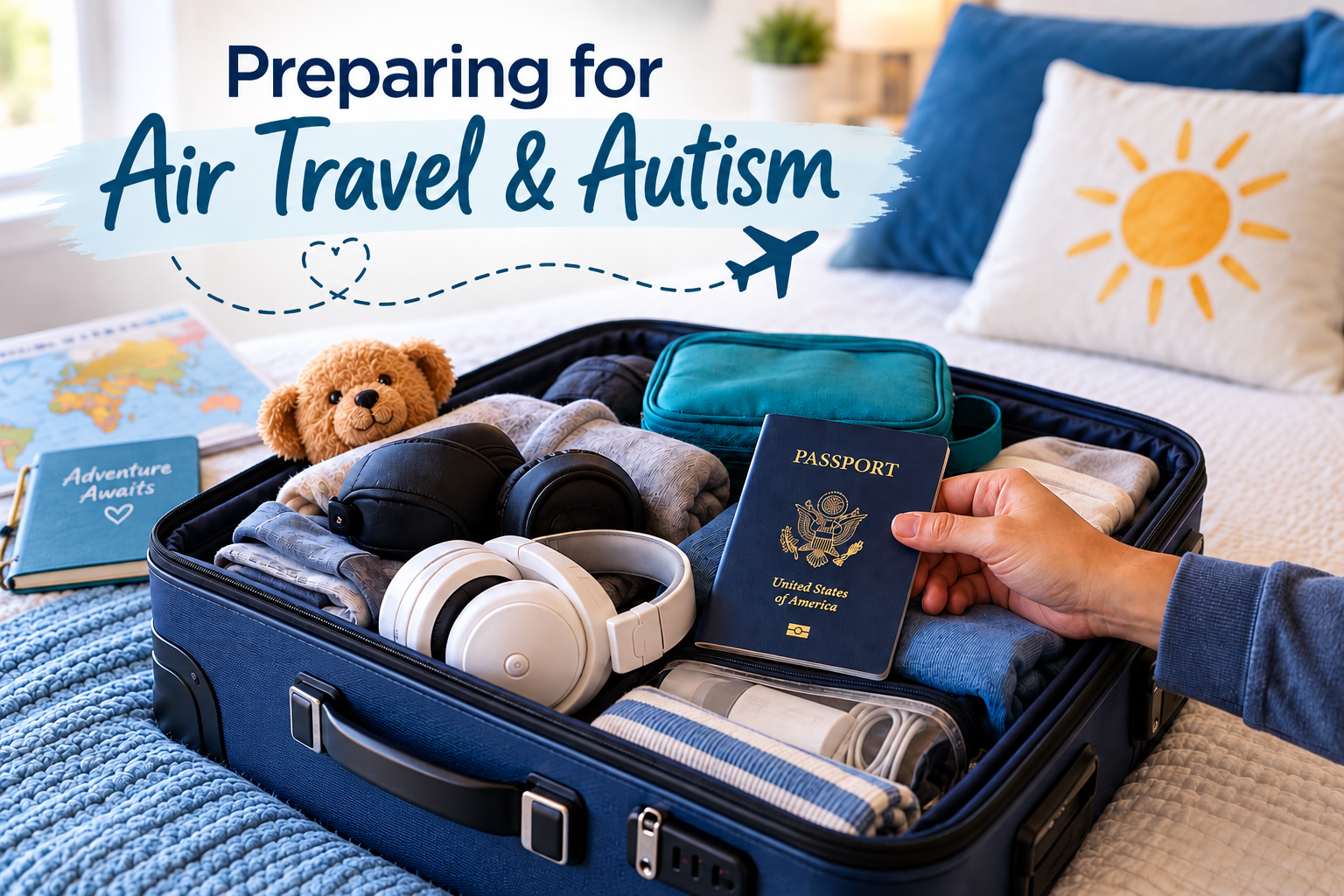
A successful travel day often starts well before you arrive at the airport. For a traveler with Autism, preparation may include choosing a flight that works with their routine, thinking about how long they will be traveling, selecting the right seats, becoming familiar with the airport and flight experience, and identifying skills that may be helpful before the trip.
There isn’t one flight, seat, schedule, or preparation strategy that works for every traveler. The goal is to think about the individual person and make travel decisions around their needs, preferences, communication, sensory considerations, and existing supports.

Planning a Disney World vacation with a child who has Autism can bring up a lot of questions—especially around sensory overload. While the parks are full of exciting sights and sounds, they can also be loud, crowded, and overwhelming at times. The good news? Disney offers plenty of hidden spots where you can step away, breathe, and take a break when needed. Here are four of my favorite quiet places to rest in each Walt Disney World theme park:

The Sunflower Lanyard is a bright green lanyard with a sunflower pattern that quietly communicates, “I may need a little extra help or patience.” It’s designed for individuals with non-visible disabilities—conditions that aren’t immediately apparent, such as Autism, anxiety, chronic pain, sensory sensitivities, ADHD, or even medical conditions like epilepsy or diabetes.

Traveling with a child on the autism spectrum can be an exciting way to create unforgettable family memories. But for families with a child who has a history of wandering or eloping, planning a trip can bring additional challenges. By taking proactive steps and using key tools, you can help keep your child safe and enjoy a more relaxing vacation. Here are essential tips and product recommendations to keep in mind when planning your next getaway.
Special Service Request (SSR) codes are an essential tool that airlines use to accommodate the diverse needs of their passengers. These codes are added to your booking to communicate specific requirements to airline staff, ensuring a smoother and more inclusive travel experience. From assisting travelers with Autism to food allergies and addressing mobility, SSR codes help airlines provide the right level of care and support throughout your journey.

Ready to plan that vacation while traveling with someone with autism? With the right preparation and a few essential products, you can set yourself up for a smooth and enjoyable trip. These items are designed to provide comfort, safety, and peace of mind, ensuring everyone can focus on creating amazing memories together.

Airports can be an overwhelming experience for people with Autism. The loud noises, crowded spaces, and unfamiliar routines may cause anxiety and stress. Thankfully, the TSA Cares program is designed to assist families, providing personalized support to ensure a smoother and less stressful airport experience. Here’s a step-by-step guide to help you navigate this fantastic resource and make your next trip more enjoyable.